Begin of page section:
Page sections:

  • Go to contents (Accesskey 1)
  • Go to position marker (Accesskey 2)
  • Go to main navigation (Accesskey 3)
  • Go to sub navigation (Accesskey 4)
  • Go to additional information (Accesskey 5)
  • Go to page settings (user/language) (Accesskey 8)
  • Go to search (Accesskey 9)

End of this page section. Go to overview of page sections

Begin of page section:
Page settings:

English en
Deutsch de
Search
Login

End of this page section. Go to overview of page sections

Begin of page section:
Search:

Search for details about Uni Graz
Close

End of this page section. Go to overview of page sections


Search

Begin of page section:
Main navigation:

Page navigation:

  • University

    University
    • About the University
    • Organisation
    • Faculties
    • Library
    • Working at University of Graz
    • Campus
    Developing solutions for the world of tomorrow - that is our mission. Our students and our researchers take on the great challenges of society and carry the knowledge out.
  • Research Profile

    Research Profile
    • Our Expertise
    • Research Questions
    • Research Portal
    • Promoting Research
    • Research Transfer
    • Ethics in Research
    Scientific excellence and the courage to break new ground. Research at the University of Graz creates the foundations for making the future worth living.
  • Studies

    Studies
    • Prospective Students
    • Students
  • Community

    Community
    • International
    • Location
    • Research and Business
    • Alumni
    The University of Graz is a hub for international research and brings together scientists and business experts. Moreover, it fosters the exchange and cooperation in study and teaching.
  • Spotlight
Topics
  • Sustainable University
  • Researchers answer
  • Work for us
Close menu

End of this page section. Go to overview of page sections

Begin of page section:
You are here:

University of Graz News Jetzt wird geslammt!

End of this page section. Go to overview of page sections

Friday, 09 March 2018

Jetzt wird geslammt!

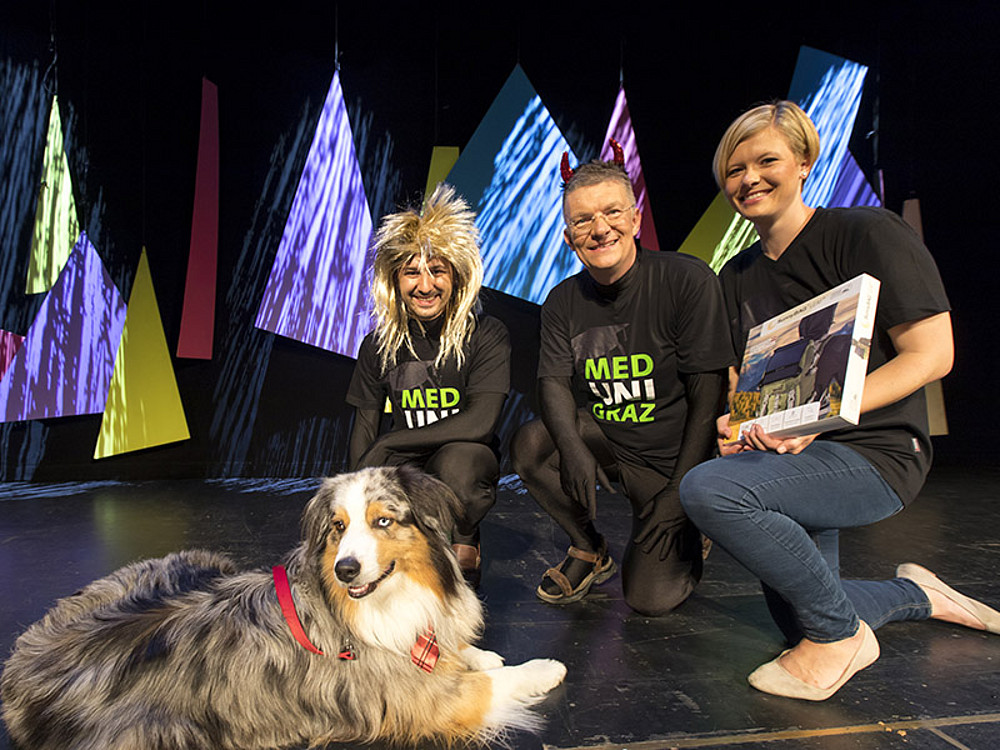
Wissenschaft, kurz und knackig in sechs Minuten präsentiert: am 12. März 2018 um 20 Uhr im Grazer Orpheum beim 5. Styrian Science Slam. Foto: Lunghammer ©HELMUT LUNGHAMMER

Wissenschaft, kurz und knackig in sechs Minuten präsentiert: am 12. März 2018 um 20 Uhr im Grazer Orpheum beim 5. Styrian Science Slam. Foto: Lunghammer

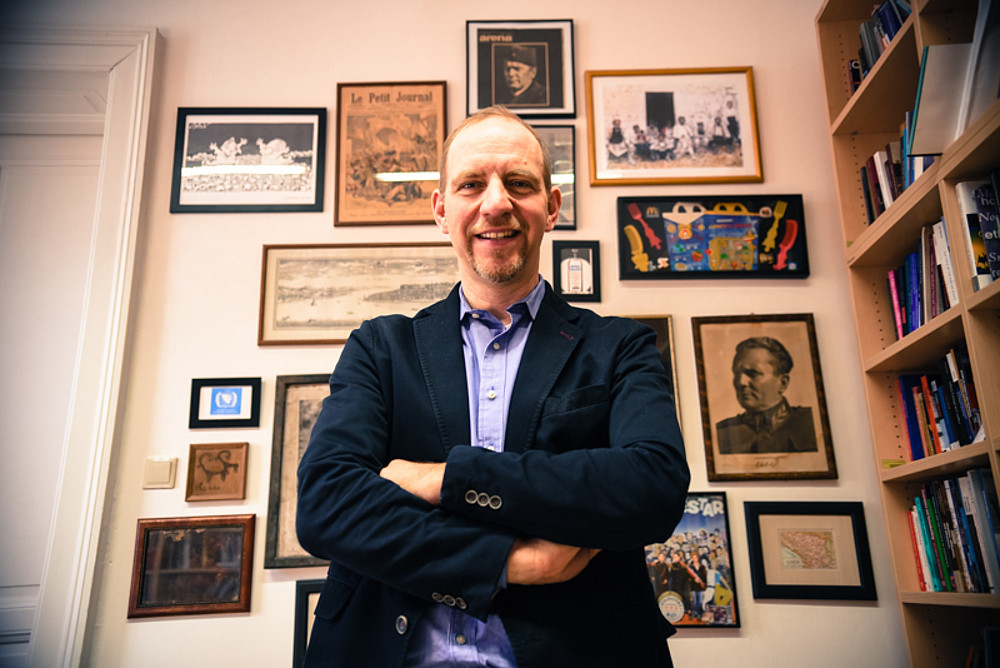
Florian Bieber ist Experte für Südosteuropa und auf dem internationalen Parkett kein Unbekannter. Beim Styrian Science Slam am Montag, 12. März im Orpheum in Graz, versucht er seine Forschung kurz und bündig zu erklären. Foto: Uni Graz/Tzivanopoulos

Florian Bieber ist Experte für Südosteuropa und auf dem internationalen Parkett kein Unbekannter. Beim Styrian Science Slam am Montag, 12. März im Orpheum in Graz, versucht er seine Forschung kurz und bündig zu erklären. Foto: Uni Graz/Tzivanopoulos

Slams sind beliebt, Slams sind begeehrt, Slams sind die Zukunft: Am 12. März wird im Orpheum Forschung knackig präsentiert. Für die Uni Graz tritt Florian Bieber an.

Wissenschaftskommunikation par exellence in der steirischen Uni-Stadt Graz gibt es am Montag, den 12. März 2018. Zum fünften Mal findet der "Styrian Science Slam" mit Unterstützung des Bundesministeriums für Bildung, Wissenschaft und Forschung statt. So werden Persönlichkeiten, NachwuchsforscherInnen gefordert und gefördert.

WissenschafterInnen - von Bachelor-AbsolventInnen bis hin zu Uni-ProfessorInnen - präsentieren, meist mit guter Laune,  an diesem Abend im Grazer Orpheum ihre Forschung in knackigen sechs Minuten. Ohne Präsentationsfläche, nur mit kreativen Hilfsmitteln treten die AkteurInnen auf der Bühne auf. Beginn ist um 20 Uhr. Die GewinnerInnen treten im Rahmen der "Langen Nacht der Forschung" am 13. April 2018 am Wiener Heldenplatz auf.

Für die Universität Graz tritt der gebürtige Luxenburger Florian Bieber an. Bieber leitet das Zentrum für Südosteuropastudien, er ist Professor und internationaler Experte für Südosteuropa.

1. Herr Bieber, Sie sind Wissenschafter am internationalen Parkett. Am kommenden Montag treten Sie beim populärwissenschaftlichen Science-Slam im Grazer Orpheum an. Wie passt das für Sie zusammen?
Forschung, die wir an einer Universität generieren, muss für ein breites Publikum verständlich sein. Wissenschaftliche Artikel und Publikationen sind ein Teil, der Zugang zur Öffentlichkeit ein anderer. Ich habe mir gedacht, dass ich einmal versuche, im Rahmen eines Science-Slams meine Themen kompakt in sechs Minuten zu präsentieren. Es ist Neuland für mich; ich finde es spannend.

Was hat Sie zur Teilnahme motiviert?
Ich möchte vor allem meinen DoktorandInnen zeigen, dass man durch so ein populärwissenschaftliches Format gerade für die eigene Arbeit nur dazulernen kann. Ganz nach dem Motto eines "Elevator Pitch", also in maximal zwei Minuten das Arbeitsthema auf den Punkt bringen und einem Laien erklären. Gerade auch im geisteswissenschaftlichen Bereich. Publizieren und Diskutieren ist eine Sache, aber das Erforschte dann auch gut und verständlich zu vermitteln ist eine Herausforderung, der ich mich gerne stelle.

Verraten Sie uns Ihre Strategie für Montag?
Inhaltlich werde ich versuchen, das spannende und aktuelle Thema "Diktatoren und autokratische Entwicklungen auf dem Balkan" zu erklären. Dazu werde ich natürlich auch Hilfsmittel haben, die ich aber nicht verrate. Nur so viel: Einige muss ich noch basteln.


Tickets gibt es unter: www.ticketzentrum.at


Hier der Science Slam 2017 im AirCampus-Graz zum Nachhören:
Styrian Science Slam

created by Konstantinos Tzivanopoulos

Related news

AI in schools: Maria Bertel drafts legal guidelines for teachers

The legal expert and her team analysed the legal situation regarding the use of artificial intelligence in education as part of an EU project and answered open questions from practice.

Cosmetics in the environment: University of Graz proves danger to ants

Titanium dioxide, which is found in cosmetics, for example, is increasingly entering the environment in the form of nanoparticles. This could also put insects at risk. If ants ingest the substance in combination with the pesticide glyphosate, it disturbs the development of their offspring. Scientists at the University of Graz are drawing attention to the negative consequences of this toxic cocktail.

Varied and healthy: studies move

Exercise is the ideal way to balance out everyday stress, prevent illness and keep fit. Why this is the case, how to do it properly and what role human bodily functions and psychology play can be studied at the University of Graz.

Religious scholar Theresia Heimerl: Fasting as a spiritual boost

Fasting is not just a strategy for losing weight – it is a ritual dating back thousands of years with spiritual and evolutionary roots that has positive effects on the body. At the University of Graz, religious scholar Theresia Heimerl is investigating why fasting is a "spiritual boost".

Begin of page section:
Additional information:

University of Graz
Universitaetsplatz 3
8010 Graz
Austria
  • Contact
  • Web Editors
  • Moodle
  • UNIGRAZonline
  • Imprint
  • Data Protection Declaration
  • Accessibility Declaration
Weatherstation
Uni Graz

End of this page section. Go to overview of page sections

End of this page section. Go to overview of page sections

Begin of page section:

End of this page section. Go to overview of page sections