



Begin of page section:
Page sections:

  • Go to contents (Accesskey 1)
  • Go to position marker (Accesskey 2)
  • Go to main navigation (Accesskey 3)
  • Go to sub navigation (Accesskey 4)
  • Go to additional information (Accesskey 5)
  • Go to page settings (user/language) (Accesskey 8)
  • Go to search (Accesskey 9)

End of this page section. Go to overview of page sections

Begin of page section:
Page settings:

English en
Deutsch de
Search
Login

End of this page section. Go to overview of page sections

Begin of page section:
Search:

Search for details about Uni Graz
Close

End of this page section. Go to overview of page sections


Search

Begin of page section:
Main navigation:

Page navigation:

  • University

    University
    • About the University
    • Organisation
    • Faculties
    • Library
    • Working at University of Graz
    • Campus
    Developing solutions for the world of tomorrow - that is our mission. Our students and our researchers take on the great challenges of society and carry the knowledge out.
  • Research Profile

    Research Profile
    • Our Expertise
    • Research Questions
    • Research Portal
    • Promoting Research
    • Research Transfer
    • Ethics in Research
    • Commission for Scientific Integrity
    Scientific excellence and the courage to break new ground. Research at the University of Graz creates the foundations for making the future worth living.
  • Studies

    Studies
    • Prospective Students
    • Students
    • Registration for Study Programme (Winter semester 2026/27)
    • Welcome Weeks for First Year Students
  • Community

    Community
    • International
    • Location
    • Research and Business
    • Alumni
    The University of Graz is a hub for international research and brings together scientists and business experts. Moreover, it fosters the exchange and cooperation in study and teaching.
Topics
  • Sustainable University
  • Researchers answer
  • Work for us
Close menu

End of this page section. Go to overview of page sections

Begin of page section:
You are here:

University of Graz News Ideales Gleichgewicht

End of this page section. Go to overview of page sections

Monday, 10 June 2013

Ideales Gleichgewicht

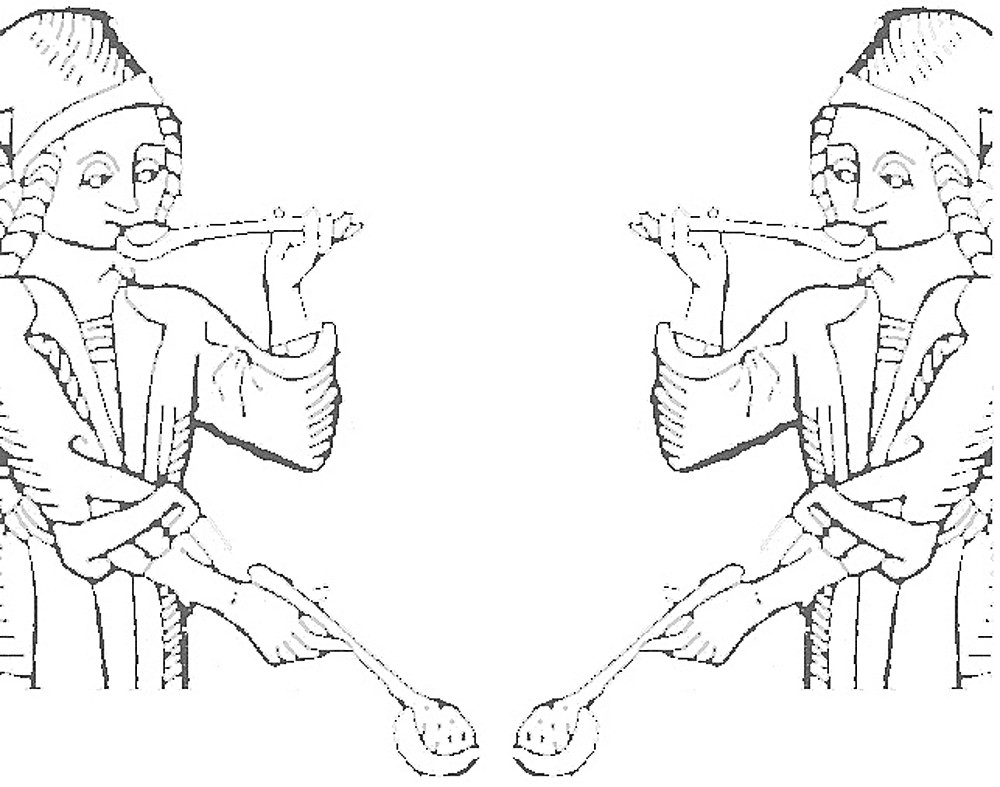
Kulinarik und Diätetik standen im Mittelalter in enger Verbindung. Eine Tagung von 20. bis 22. Juni beleuchtet dieses Wechselspiel.

Kulinarik und Diätetik standen im Mittelalter in enger Verbindung. Eine Tagung von 20. bis 22. Juni beleuchtet dieses Wechselspiel.

Tagung an der Uni Graz beleuchtet Kulinarik und Diätetik im Mittelalter

Was haben Schneckenfleisch und faule Birnen mit Pest und Lepra zu tun? Wie beeinflusste die arabische Ernährungslehre das deutsche Spätmittelalter? Und sind KöchInnen wirklich die besseren ÄrztInnen? "Rezepte waren damals mehr als einfache Handlungsanweisungen", betont Dr. Karin Kranich vom Institut für Germanistik der Karl-Franzens-Universität Graz. "Zwischen den Zeilen war medizinisches Alltagswissen versteckt, das heute erst Schritt für Schritt wiederentdeckt wird." Gemeinsam mit Priv.Doz. Dr. Andrea Hofmeister und Mag. Helmut Klug organisiert die Wissenschafterin von 20. bis 22. Juni 2013 eine Tagung, die das Verhältnis von Kulinarik und Diätetik in der Zeitspanne zwischen 1350 und 1650 beleuchtet.


Kochbücher des Mittelalters und der Frühen Neuzeit sind gleichzeitig auch als praxisorientierte Nachschlagewerke zu lesen, die viel Wissen voraussetzen, so Kranich: "Im Zentrum der mittelalterlichen, ganzheitlichen Gesundheitslehre stand die Vorbeugung von Krankheiten durch die alltägliche Ernährung." So war klar, dass Nahrungsmittel, die in verschiedene Gruppen unterteilt wurden, aufeinander abgestimmt werden mussten. "Das Ideal war das Gleichgewicht. Deshalb wurden wärmende Gewürze, wie zum Beispiel Ingwer, den winterlichen Backwerken beigefügt. Auch Milchreis ist eine klassische Kombination kalter und warmer Nahrungsmittel", bestätigt die Forscherin.


Im Zuge der Systematisierung des akademischen Wissens sowie der Technologisierung der Medizin sei dieses "Haushaltswissen" zum Zusammenhang von Ernährung und Gesundheit nach und nach verloren gegangen, werde aber heute wieder zum Thema, erklärt Kranich: "Zahllose Ratgeber und Diätprogramme propagieren eine ausgewogene Ernährung. Wir sehen uns an, wie diese im Mittelalter ausgesehen hat und was wir uns heute davon noch abschauen können."


Die öffentliche Fachtagung findet im Rahmen des Tages der Geisteswissenschaften 2013 an der Karl-Franzens-Universität Graz und in Kooperation mit dem Verein "KULIMA – Kulinarisches Mittelalter Graz" statt.


Tagung: "Der Koch ist der bessere Arzt". Zum Verhältnis von Kulinarik und Diätetik im Mittelalter und in der Frühen Neuzeit


Zeit: Donnerstag, 20. Juni, bis Samstag, 22. Juni 2013
Ort: Gewi-Sitzungszimmer, Hauptgebäude, Universitätsplatz 3, 8010 Graz
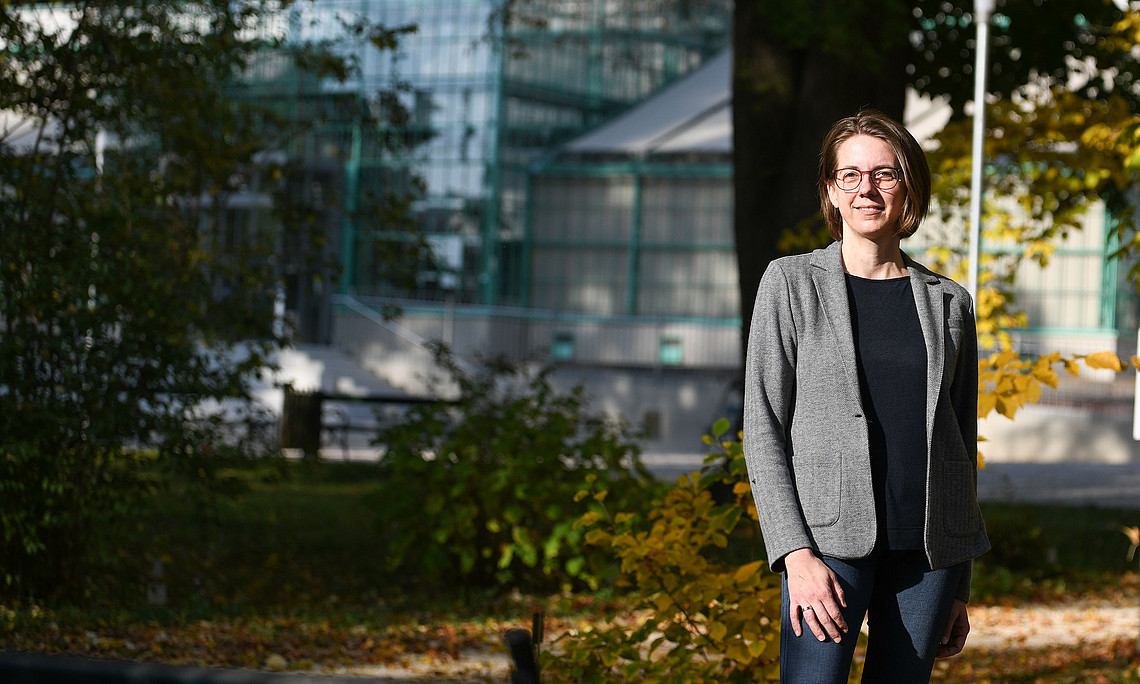

created by Gerhild Kastrun

Related news

Commissioned by NATO: University of Graz tests high-tech textiles

As part of an international project, antimicrobial and fire-resistant fabrics with UV protection are being developed in Zagreb. Pharmacists from the University of Graz are ensuring that these fabrics are skin-friendly.

The Arctic up close: ORF special feature on the University of Graz’s research station in S

Students from the University of Graz are spending two weeks conducting research at the Univerisity of Graz research station at the Sermilik Fjord in Greenland, which has been operational for three years. They are measuring glacial runoff, tracking ice melt in real time and installing weather stations. ORF is following the expedition and will be reporting on the special feature ‘Arctic Adventure’ across its various channels from 20 July.

Medicine for ants: Caffeine prolongs the life of infected insects

Black coffee stimulates us and acts against bacteria. So, can caffeine also be good for insects? Yes, confirm biologists of the University of Graz. When ants suffer from a fungal disease, they consume more caffeine and remain active for longer.

How formulas are making medicine more personalised

When Federica Caforio talks about the heart, it doesn’t sound like an operating theatre, but rather like equations, parameters and simulations. Yet this is precisely where the medical promise of her research lies: one day, clinical data will be used to create a digital twin of the heart – a virtual model that will enable a better understanding of diseases and allow for more personalised treatment plans. She will be presenting her research at the ‘ECMTB 2026’ mathematics conference.

Begin of page section:
Additional information:

University of Graz
Universitaetsplatz 3
8010 Graz
Austria
  • Contact
  • Web Editors
  • Moodle
  • UNIGRAZonline
  • Imprint
  • Data Protection Declaration
  • Accessibility Declaration
Weatherstation
Uni Graz

End of this page section. Go to overview of page sections

End of this page section. Go to overview of page sections

Begin of page section:

End of this page section. Go to overview of page sections