Begin of page section:
Page sections:

  • Go to contents (Accesskey 1)
  • Go to position marker (Accesskey 2)
  • Go to main navigation (Accesskey 3)
  • Go to sub navigation (Accesskey 4)
  • Go to additional information (Accesskey 5)
  • Go to page settings (user/language) (Accesskey 8)
  • Go to search (Accesskey 9)

End of this page section. Go to overview of page sections

Begin of page section:
Page settings:

English en
Deutsch de
Search
Login

End of this page section. Go to overview of page sections

Begin of page section:
Search:

Search for details about Uni Graz
Close

End of this page section. Go to overview of page sections


Search

Begin of page section:
Main navigation:

Page navigation:

  • University

    University
    • About the University
    • Organisation
    • Faculties
    • Library
    • Working at University of Graz
    • Campus
    Developing solutions for the world of tomorrow - that is our mission. Our students and our researchers take on the great challenges of society and carry the knowledge out.
  • Research Profile

    Research Profile
    • Our Expertise
    • Research Questions
    • Research Portal
    • Promoting Research
    • Research Transfer
    • Ethics in Research
    • Commission for Scientific Integrity
    Scientific excellence and the courage to break new ground. Research at the University of Graz creates the foundations for making the future worth living.
  • Studies

    Studies
    • Prospective Students
    • Students
  • Community

    Community
    • International
    • Location
    • Research and Business
    • Alumni
    The University of Graz is a hub for international research and brings together scientists and business experts. Moreover, it fosters the exchange and cooperation in study and teaching.
Topics
  • Sustainable University
  • Researchers answer
  • Work for us
Close menu

End of this page section. Go to overview of page sections

Begin of page section:
You are here:

University of Graz News Gottlos im Netz

End of this page section. Go to overview of page sections

Monday, 30 May 2022

Gottlos im Netz

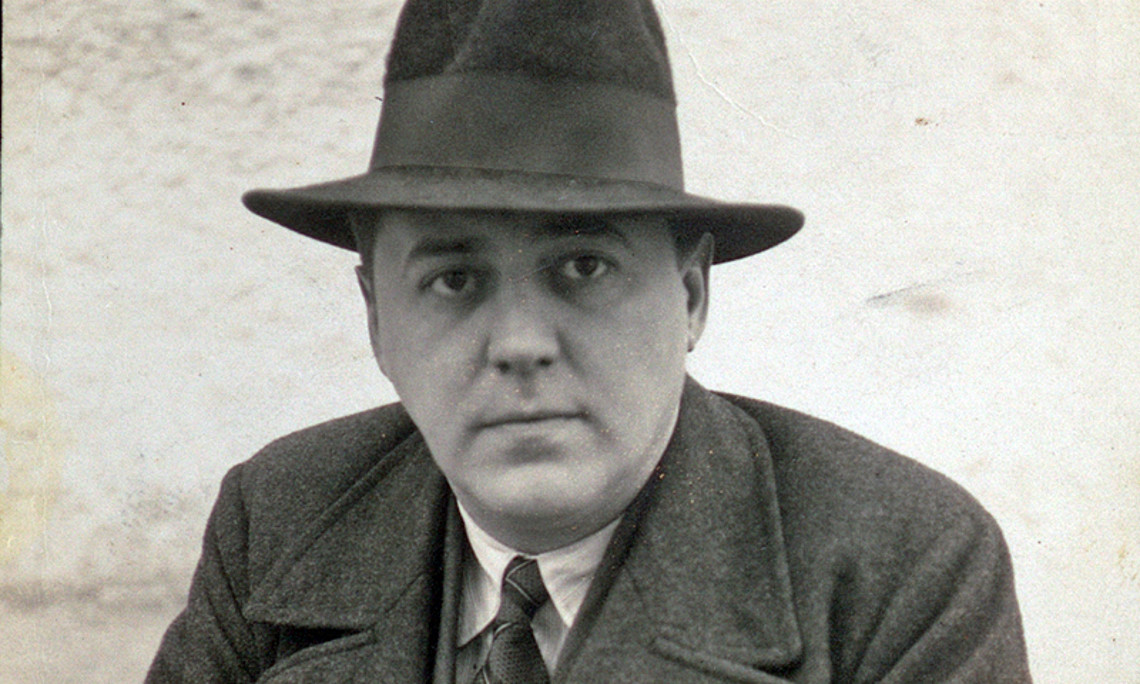
Ödön von Horváth im Jahr 1938: Die Stücke des österreichischen Autors sind nun digital verfügbar. Foto: Literaturarchiv der Österreichischen Nationalbibliothek

Ödön von Horváth im Jahr 1938: Die Stücke des österreichischen Autors sind nun digital verfügbar. Foto: Literaturarchiv der Österreichischen Nationalbibliothek

Ödön von Horváths Stücke online erschienen

Krieg, soziale Spannungen, wirtschaftliche Nöte: Die Themen Ödön von Horváths sind brandaktuell. Stücke wie „Geschichten aus dem Wiener Wald“ oder „Kasimir und Karoline“ sorgen immer noch für volle Theater. Im Literaturkanon der Schulen hat der Roman „Jugend ohne Gott“ einen Fixplatz. Nun ist das dramatische Gesamtwerk des österreichischen Autors, der am 1. Juni 1938 in Paris von einem Ast erschlagen wurde, erstmals kostenlos im Internet zugänglich.
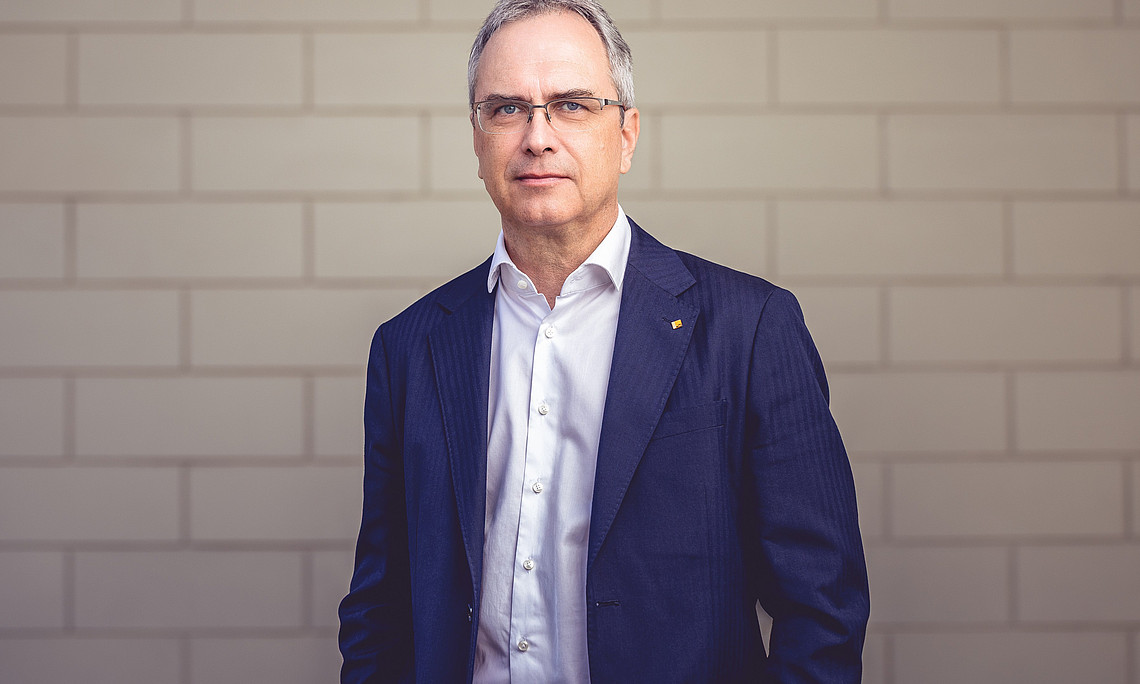
„Ödön von Horváth beschreibt messerscharf die wirtschaftliche und soziale Situation der frühen 1930er-Jahre, ohne dabei tagespolitisch zu sein. Dadurch bleiben seine Texte zeitlos relevant“, so der Herausgeber Klaus Kastberger, Leiter des Literaturhauses sowie des Franz-Nabl-Instituts der Uni Graz. Die Online-Edition zeichnet Szene für Szene die Beziehungen der handelnden Figuren nach und gewährt dadurch weit tiefere Einblicke in die Struktur von Horváths Dramen als die ebenfalls als E-Book verfügbare Printversion der historisch-kritischen Ausgabe.
„Bisher wurde noch in keiner großen Edition dermaßen intensiv mit digitalen Methoden gearbeitet“, berichtet Kastberger. Daraus ergeben sich neue Erkenntnisse für die Interpretation der Texte. Diesen Mehrwert haben schon RegisseurInnen in aktuellen Inszenierungen genutzt. Auch für den Unterricht oder die Arbeiten von SchülerInnen sind die verfügbaren Features hilfreich.

Die Ausgabe und die dahinterliegende Forschung werden vom Österreichischen Wissenschaftsfonds FWF gefördert.

 

created by Dagmar Eklaude

Related news

Complying with the norm: Why Do Standards Shape Our Lives, Elisabeth Staudegger?

Standards determine whether a sheet of paper fits in a printer or whether a charging plug can power multiple devices. These standards shape our everyday lives. But who actually sets these standards? Where are the weaknesses, and how could science help to improve them? Elisabeth Staudegger, Head of the ‘Law and IT’ Department at the Institute for Legal Foundations at the University of Graz, host the Academic Standards Day on 16 June. Here she relays how sciences can contribute to the topic of standardisation and reveals her personal favourite standard.

More body awareness than a culture war

In Italy, sex education lessons will in future only be permitted with parental consent, and will be banned entirely in nurseries and primary schools. At the same time, Pride Month highlights why knowledge about the body, relationships, boundaries and diversity is important for young people. A study by the University of Graz shows how important knowledge about the body, contraception, relationship skills and protection against violence is

Will Austria win the World Cup? Mathematician reveals calculation method

Michael Fischer uses the football tournament as a practical example for highschool lessons.

Horváth für die Hosentasche: wichtigste Werke bei Reclam erschienen

Klaus Kastberger, Leiter des Literaturhauses und des Franz-Nabl-Instituts, hat sämtliche Schriften Ödön von Horvaths neu herausgebracht.

Begin of page section:
Additional information:

University of Graz
Universitaetsplatz 3
8010 Graz
Austria
  • Contact
  • Web Editors
  • Moodle
  • UNIGRAZonline
  • Imprint
  • Data Protection Declaration
  • Accessibility Declaration
Weatherstation
Uni Graz

End of this page section. Go to overview of page sections

End of this page section. Go to overview of page sections

Begin of page section:

End of this page section. Go to overview of page sections