Begin of page section:
Page sections:

  • Go to contents (Accesskey 1)
  • Go to position marker (Accesskey 2)
  • Go to main navigation (Accesskey 3)
  • Go to sub navigation (Accesskey 4)
  • Go to additional information (Accesskey 5)
  • Go to page settings (user/language) (Accesskey 8)
  • Go to search (Accesskey 9)

End of this page section. Go to overview of page sections

Begin of page section:
Page settings:

English en
Deutsch de
Search
Login

End of this page section. Go to overview of page sections

Begin of page section:
Search:

Search for details about Uni Graz
Close

End of this page section. Go to overview of page sections


Search

Begin of page section:
Main navigation:

Page navigation:

  • University

    University
    • About the University
    • Organisation
    • Faculties
    • Library
    • Working at University of Graz
    • Campus
    Developing solutions for the world of tomorrow - that is our mission. Our students and our researchers take on the great challenges of society and carry the knowledge out.
  • Research Profile

    Research Profile
    • Our Expertise
    • Research Questions
    • Research Portal
    • Promoting Research
    • Research Transfer
    • Ethics in Research
    Scientific excellence and the courage to break new ground. Research at the University of Graz creates the foundations for making the future worth living.
  • Studies

    Studies
    • Prospective Students
    • Students
  • Community

    Community
    • International
    • Location
    • Research and Business
    • Alumni
    The University of Graz is a hub for international research and brings together scientists and business experts. Moreover, it fosters the exchange and cooperation in study and teaching.
  • Spotlight
Topics
  • Sustainable University
  • Researchers answer
  • Work for us
Close menu

End of this page section. Go to overview of page sections

Begin of page section:
You are here:

University of Graz News Angriff von Abwasseranlagen

End of this page section. Go to overview of page sections

Thursday, 22 February 2018

Angriff von Abwasseranlagen

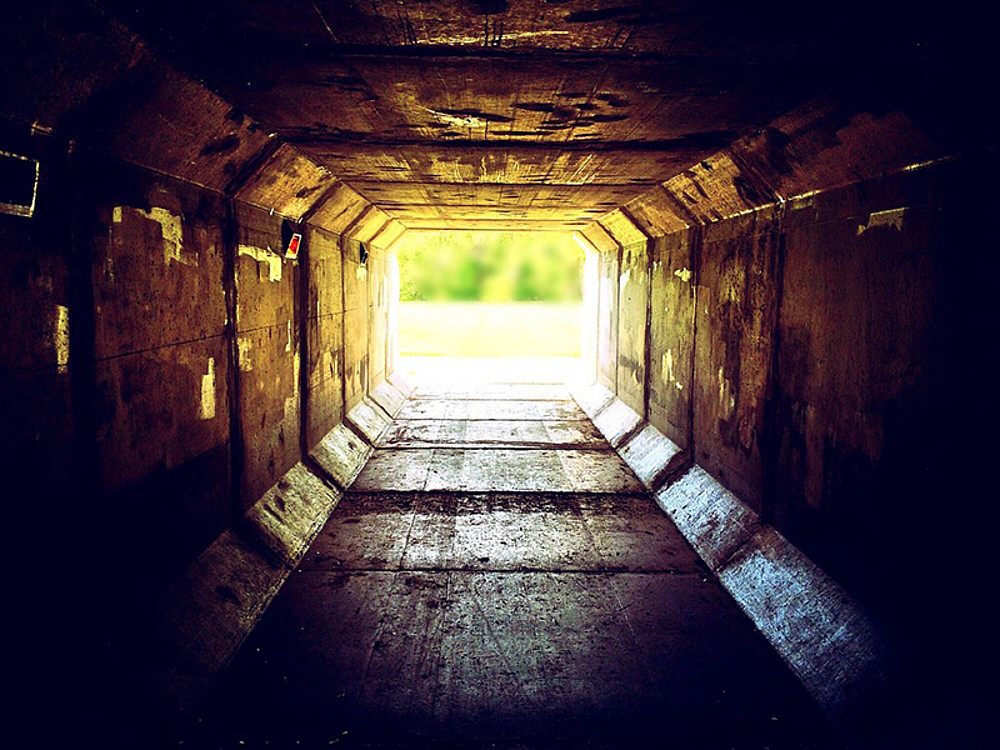
In Feldversuchen gehen Grazer ForscherInnen von TU Graz und Uni Graz den Schäden durch BSK-Korrosion auf den Grund. Foto: pixabay.com

In Feldversuchen gehen Grazer ForscherInnen von TU Graz und Uni Graz den Schäden durch BSK-Korrosion auf den Grund. Foto: pixabay.com

ForscherInnen der TU Graz und Uni Graz zeigen in Water Research neue Materialien, die den Korrosionsprozess durch Schwefelsäure verhindern.

Abwassersysteme sind eine zentrale Infrastruktureinrichtung jeder Kommune. Idealerweise funktionieren sie einwandfrei und sind langlebig. Biogene Umsetzungsprozesse in Kanal- und Klärsystemen sind jedoch „natürliche Feinde“ herkömmlicher Anlagen und verursachen oftmals hohe Kosten durch Schäden an Bauteilen aus Beton und Metall. So haben Abwassersysteme nicht selten eine Lebensdauer von weniger als zehn Jahren, müssen restauriert oder einzelne Bauteile getauscht werden. In diesen Prozessen freigesetzte toxische Gase wie Schwefelwasserstoff stellen zudem ein erhebliches gesundheitliches Gefahrenpotenzial dar, das von Reizerscheinungen bis hin zu Atemstillstand und Tod führen kann.

Eine interdisziplinäre Forschenden-Gruppe von TU Graz und Uni Graz stellt jetzt im Fachjournal Water Research neue Strategien zur Verhinderung von sogenannter Biogener Schwefelsäure-Korrosion (BSK)-Ausbildung vor. Der interdisziplinären Forschungsgruppe gehören Cyrill Grengg vom Institut für Angewandte Geowissenschaften, Florian Mittermayr vom Institut für Materialprüfung und Baustofftechnologie der TU Graz und Günther Koraimann vom Institut für Molekulare Biowissenschaften der Uni Graz an.

>> Mehr erfahren

created by Barbara Gigler (TU Graz) & Andreas Schweiger

Related news

AI in schools: Maria Bertel drafts legal guidelines for teachers

The legal expert and her team analysed the legal situation regarding the use of artificial intelligence in education as part of an EU project and answered open questions from practice.

Cosmetics in the environment: University of Graz proves danger to ants

Titanium dioxide, which is found in cosmetics, for example, is increasingly entering the environment in the form of nanoparticles. This could also put insects at risk. If ants ingest the substance in combination with the pesticide glyphosate, it disturbs the development of their offspring. Scientists at the University of Graz are drawing attention to the negative consequences of this toxic cocktail.

Varied and healthy: studies move

Exercise is the ideal way to balance out everyday stress, prevent illness and keep fit. Why this is the case, how to do it properly and what role human bodily functions and psychology play can be studied at the University of Graz.

Religious scholar Theresia Heimerl: Fasting as a spiritual boost

Fasting is not just a strategy for losing weight – it is a ritual dating back thousands of years with spiritual and evolutionary roots that has positive effects on the body. At the University of Graz, religious scholar Theresia Heimerl is investigating why fasting is a "spiritual boost".

Begin of page section:
Additional information:

University of Graz
Universitaetsplatz 3
8010 Graz
Austria
  • Contact
  • Web Editors
  • Moodle
  • UNIGRAZonline
  • Imprint
  • Data Protection Declaration
  • Accessibility Declaration
Weatherstation
Uni Graz

End of this page section. Go to overview of page sections

End of this page section. Go to overview of page sections

Begin of page section:

End of this page section. Go to overview of page sections