
Begin of page section:
Page sections:

  • Go to contents (Accesskey 1)
  • Go to position marker (Accesskey 2)
  • Go to main navigation (Accesskey 3)
  • Go to sub navigation (Accesskey 4)
  • Go to additional information (Accesskey 5)
  • Go to page settings (user/language) (Accesskey 8)
  • Go to search (Accesskey 9)

End of this page section. Go to overview of page sections

Begin of page section:
Page settings:

English en
Deutsch de
Search
Login

End of this page section. Go to overview of page sections

Begin of page section:
Search:

Search for details about Uni Graz
Close

End of this page section. Go to overview of page sections


Search

Begin of page section:
Main navigation:

Page navigation:

  • University

    University
    • About the University
    • Organisation
    • Faculties
    • Library
    • Working at University of Graz
    • Campus
    Developing solutions for the world of tomorrow - that is our mission. Our students and our researchers take on the great challenges of society and carry the knowledge out.
  • Research Profile

    Research Profile
    • Our Expertise
    • Research Questions
    • Research Portal
    • Promoting Research
    • Research Transfer
    • Ethics in Research
    • Commission for Scientific Integrity
    Scientific excellence and the courage to break new ground. Research at the University of Graz creates the foundations for making the future worth living.
  • Studies

    Studies
    • Prospective Students
    • Students
  • Community

    Community
    • International
    • Location
    • Research and Business
    • Alumni
    The University of Graz is a hub for international research and brings together scientists and business experts. Moreover, it fosters the exchange and cooperation in study and teaching.
  • Spotlight
Topics
  • Sustainable University
  • Researchers answer
  • Work for us
Close menu

End of this page section. Go to overview of page sections

Begin of page section:
You are here:

University of Graz News Ein Zuhause für die Kleinsten

End of this page section. Go to overview of page sections

Friday, 18 March 2016

Ein Zuhause für die Kleinsten

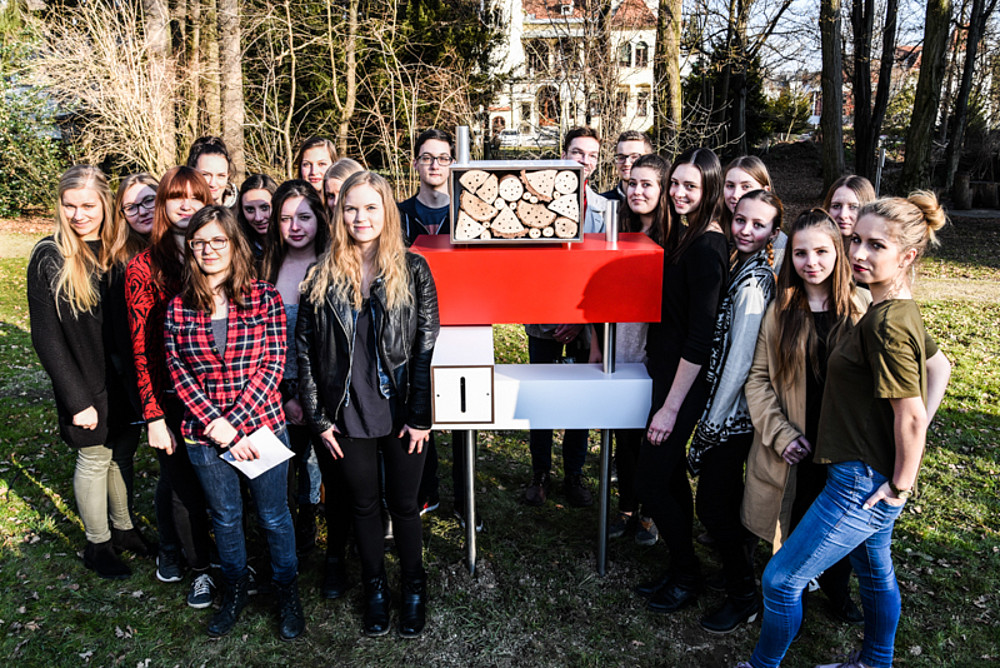
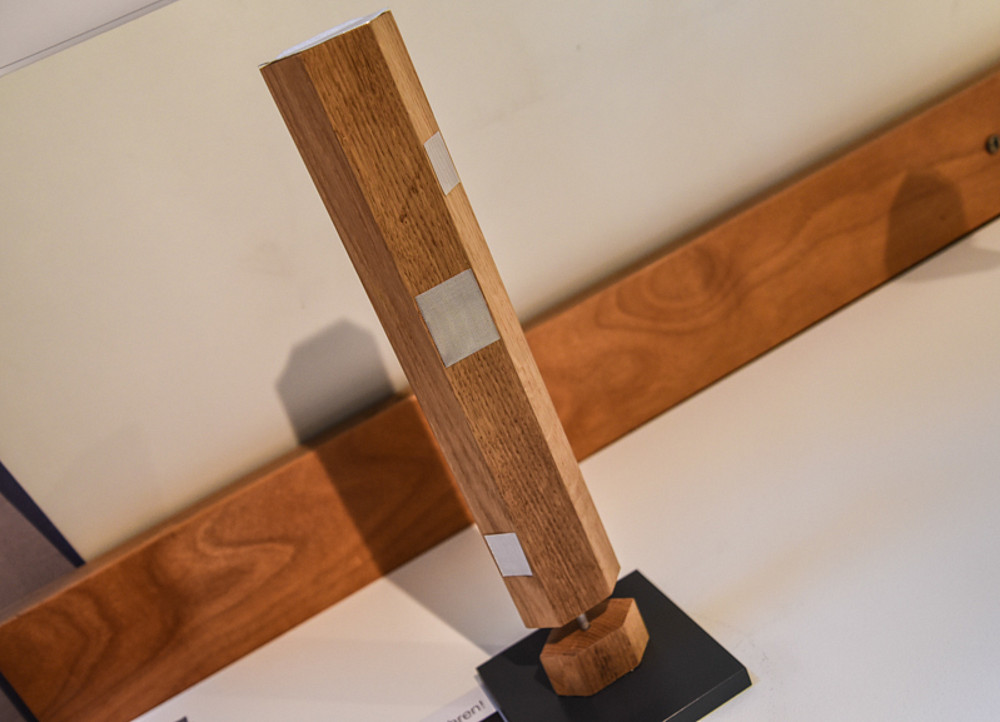
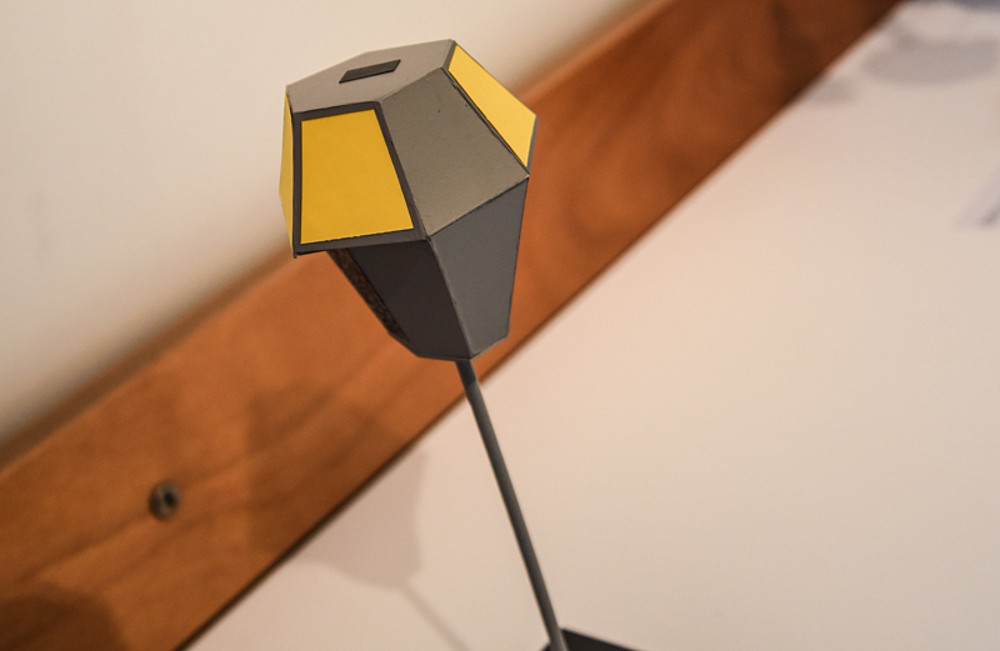
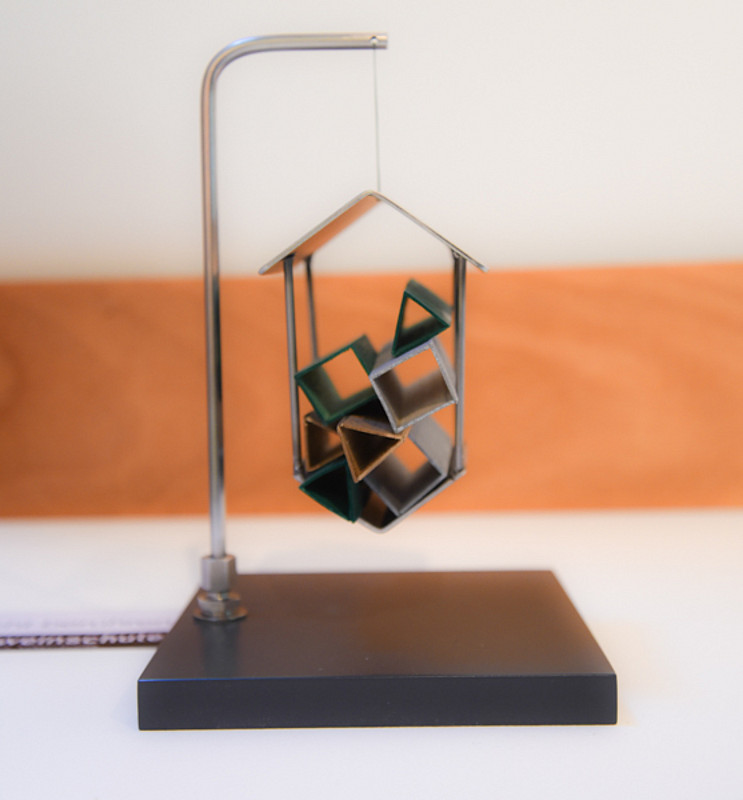
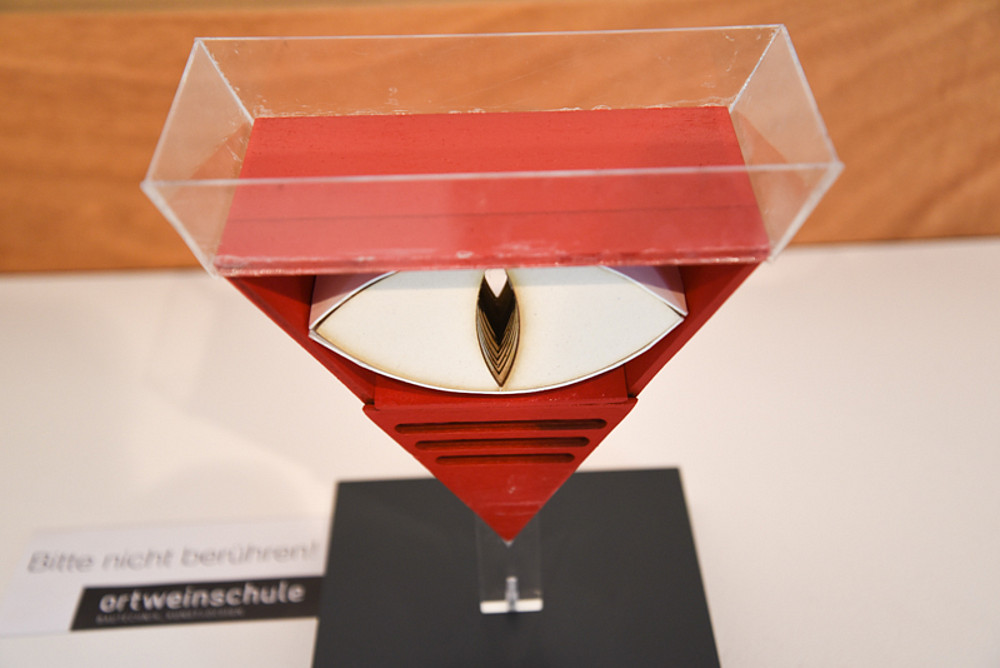
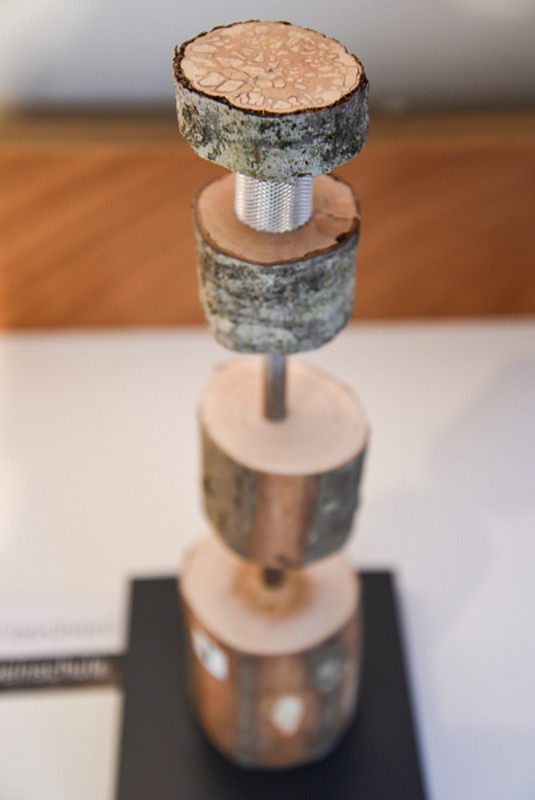
SchülerInnen der HTBLVA Graz-Ortweinschule stellten ihr Geschick unter Beweis. Sie kreierten Insektenhotels, die dann von einer Jury bewertet worden sind. Dabei waren nicht nur Kreativität, sondern auch Nutzbarkeit für die Tiere gefragt.

SchülerInnen der HTBLVA Graz-Ortweinschule stellten ihr Geschick unter Beweis. Sie kreierten Insektenhotels, die dann von einer Jury bewertet worden sind. Dabei waren nicht nur Kreativität, sondern auch Nutzbarkeit für die Tiere gefragt. Fotos: Uni Graz/Tzivanopoulos

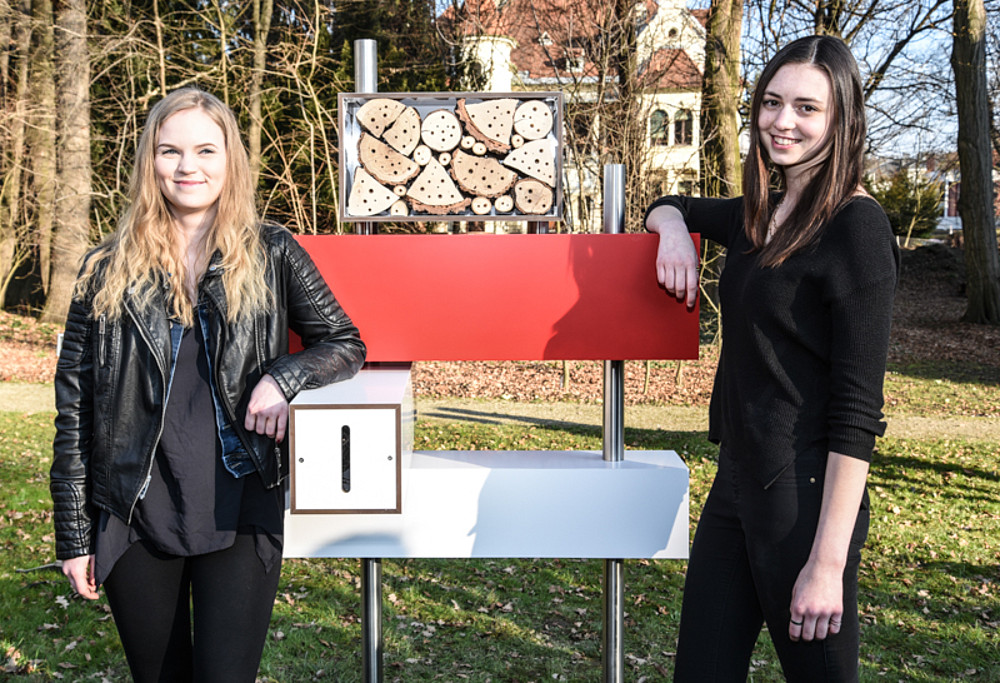
Das Siegerprojekt "„boites“ von Verena Oswald und Hannah Kager

Das Siegerprojekt "„boites“ von Verena Oswald und Hannah Kager

Insgesamt wurden neun Projekte eingereicht.

Insgesamt wurden neun Projekte eingereicht.

SchülerInnen gestalteten „Insektenhotels“. In das Siegerprojekt sollen nun Wildbienen, Florfliegen & Co einziehen.

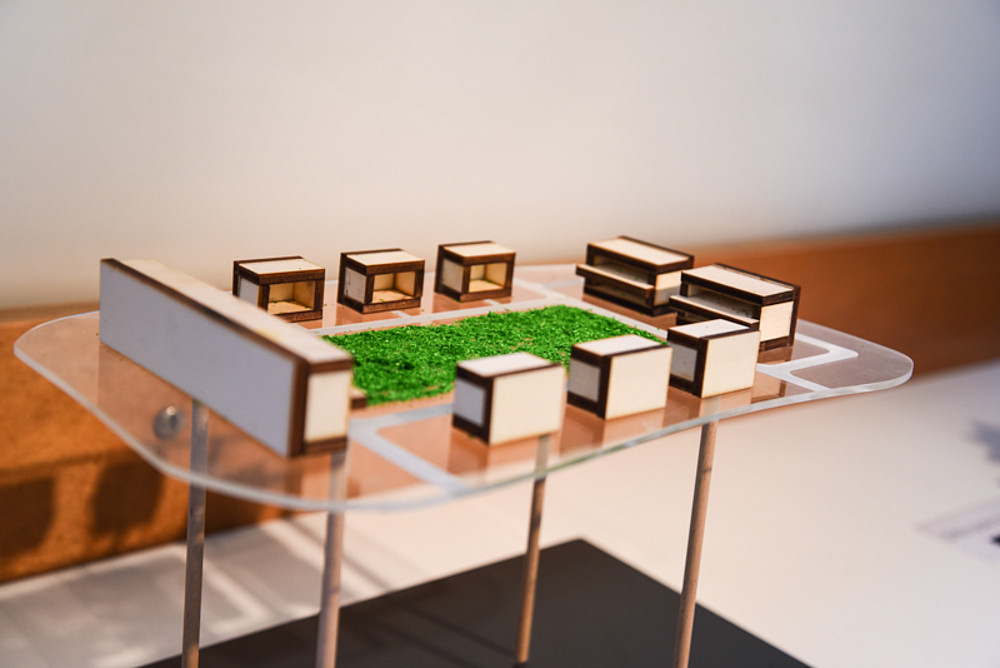
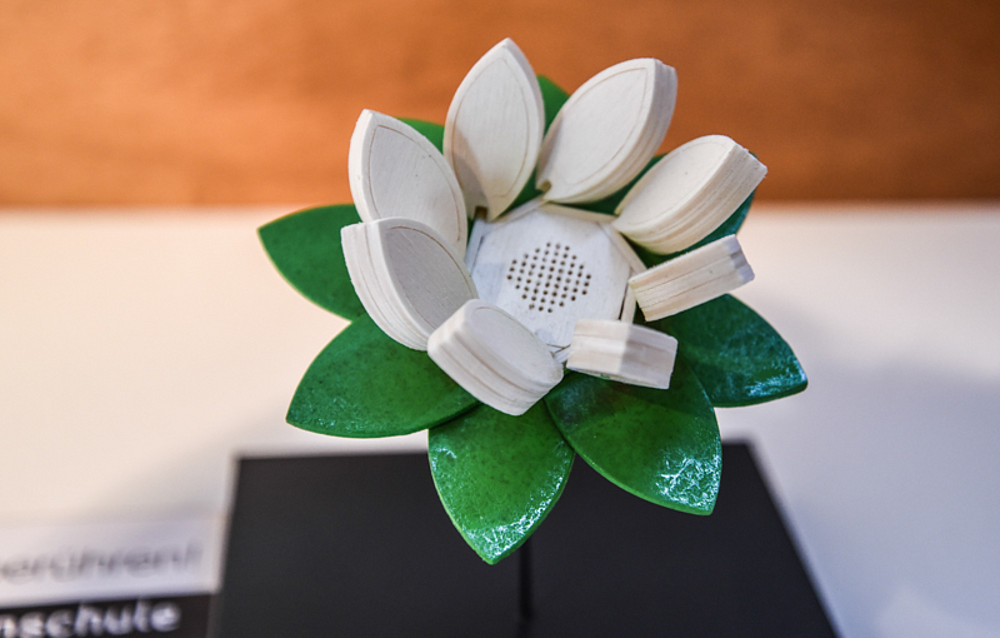
Es sind wahrlich architektonische Glanzleistungen, die SchülerInnen der HTBLVA Graz-Ortweinschule für Bautechnik, Kunst&Design im Unterricht vollbrachten: Spezielle Hotels für Insekten. Sie skizzierten, planten, gestalteten und bauten die Modelle nicht nur, sondern mussten sich auch konkret überlegen, ob sie auch funktionell für die kleinen Tiere sind. Sprich: Ob die Tierchen auch darin einziehen könnten. Neun Projekte wurden bei einem kleinen Wettbewerb eingereicht, das Siegerprojekt „boites“ von Verena Oswald und Hannah Kager wurde realisiert und wartet im Freilandbereich des Botanischen Gartens auf seine ersten Bewohner. Alle SchülerInnen-Projekte sind im Gewächshaus in einer Ausstellung bis 30. Juni 2016 zu sehen.


„Eine Anforderung war es auch zum Nachdenken anzuregen, ob die Behausungen für Insekten funktionell sind“, betont der Biologe Dr. Stephan Monschein, der hinter dieser Initiative steht. „Dazu mussten sie verpflichtend eine Führung im Universalmuseum Joanneum besuchen, um die Zielgruppe kennenzulernen.“ Einziehen sollen Wildbienen, Florfliegen und Schmetterlinge in unterschiedlichen Entwicklungsstadien.

Der Wettbewerb wurde im Rahmen der Lehrveranstaltung „Forschen-Vermitteln-Abbilden“, die von Monschein für angehende Biologie-LehrerInnen angeboten wird, umgesetzt. Betreut wurden die SchülerInnen von den beiden Studierenden Astrid Brugger und Angela Matzer.

Ausstellungsdauer 17. März 2016 bis 30. Juni 2016
Eröffnung: 17. März 2016, um 17 Uhr
Ausstellungsort: Freiland und Gewächshäuser des Botanischen Gartens Graz, Schubertstraße 59
Eintritt frei

created by Konstantinos Tzivanopoulos

Related news

Studying at the University of Graz: How to enrol

Ready for a new chapter in your life with the start of your studies at the University of Graz in the winter semester 2026/27? Here you will find information on deadlines, admission procedures, registration, and everything else you need to successfully start your studies in the fall.

Interpreting data: Why studies sometimes get it wrong

Hilmar Brohmer and Ziva Korda from the Institute of Psychology, together with 500 international colleagues, have re-evaluated a hundred scientific publications and have often come to different conclusions.

Crystal-clear: AI method revolutionises solar observation

The Sun makes life on Earth possible. However, its magnetic fields can also cause massive disruption. This makes it all the more important to gain a better understanding of the processes taking place on our nearest star. A research team from the University of Graz and the High Altitude Observatory in Boulder (USA) has succeeded in doing just that. The astrophysicists have developed an AI-supported method that makes even the smallest structures on the Sun visible. The scientists are convinced that this will bring about a lasting change in solar observation and that the new method can be used for the planned European Solar Telescope.

Long Night of Research: How many languages are there in the world?

From a linguistic perspective, there are worlds of difference between Bern, Berlin and Vienna. A dialect impersonator will demonstrate live just how varied German can sound. How many languages are there in the world? What are their distinctive features? Which of these are spoken in Austria? These and other questions will be answered during the Long Night of Research at the University of Graz: on Friday, 24 April 2025, from 5 pm to 11 pm, in the University Library. Visitors can immerse themselves in the diversity of languages without travelling far by taking part in a quiz at the station.

Begin of page section:
Additional information:

University of Graz
Universitaetsplatz 3
8010 Graz
Austria
  • Contact
  • Web Editors
  • Moodle
  • UNIGRAZonline
  • Imprint
  • Data Protection Declaration
  • Accessibility Declaration
Weatherstation
Uni Graz

End of this page section. Go to overview of page sections

End of this page section. Go to overview of page sections

Begin of page section:

End of this page section. Go to overview of page sections