Music Cognition as Embodied, Embedded, Enactive and Extended
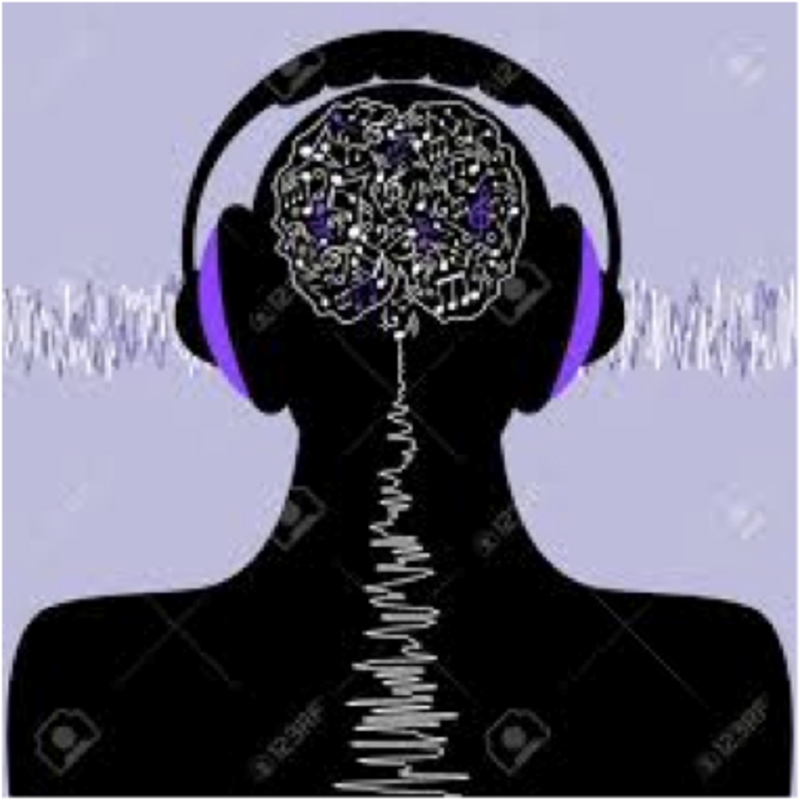
Recent years brought new insights to the understanding of human cognition. Instead of being studied as a mainly representative ability, it is now often defined by four “Es” - being conceived as an activity Embodied in the whole body of an agent, Embedded in the world, Enacted through a history of struc-tural coupling with the environment and Extended into the social and physical world beyond the boundaries of skull and skin. Music researchers recently started to draw inspiration from these views, generating alternative models to understand music perception, learning, and performance accordingly. For example, while a number of empirical studies highlighted the crucial role of the body in the pro-cesses of meaning creation - showing that music perception depends on the level of motor knowledge of the listener - a concrete framework able to generate predictions in light of these and other results is still missing. So, more in general, how could the field of music psychology benefit from the reconcep-tualization of human cognition offered by a 4-E approach, both theoretically and empirically?
Dr Andrea Schiavio is currently Honorary Research Fellow at the Music Mind Machine in Sheffield (MMMiS) research Centre, based at the Department of Music of the University of Sheffield, UK. Be-fore coming to Sheffield, where he obtained a PhD in Music Psychology, Andrea studied philosophy, musicology, guitar, and composition in Milan (Italy). During his doctoral studies he was visiting re-searcher at the Donders Institute for Brain, Cognition, and Behaviour in Nijmegen (The Netherlands), where he ran an empirical study on embodied music cognition in early infancy. His research covers a variety of topics ranging from the acquisition of musical skills in non-musicians to the role of atten-tion in joint music performance.