



Begin of page section:
Page sections:

  • Go to contents (Accesskey 1)
  • Go to position marker (Accesskey 2)
  • Go to main navigation (Accesskey 3)
  • Go to sub navigation (Accesskey 4)
  • Go to additional information (Accesskey 5)
  • Go to page settings (user/language) (Accesskey 8)
  • Go to search (Accesskey 9)

End of this page section. Go to overview of page sections

Begin of page section:
Page settings:

English en
Deutsch de
Search
Login

End of this page section. Go to overview of page sections

Begin of page section:
Search:

Search for details about Uni Graz
Close

End of this page section. Go to overview of page sections


Search

Begin of page section:
Main navigation:

Page navigation:

  • University

    University
    • About the University
    • Organisation
    • Faculties
    • Library
    • Working at University of Graz
    • Campus
    Developing solutions for the world of tomorrow - that is our mission. Our students and our researchers take on the great challenges of society and carry the knowledge out.
  • Research Profile

    Research Profile
    • Our Expertise
    • Research Questions
    • Research Portal
    • Promoting Research
    • Research Transfer
    • Ethics in Research
    • Commission for Scientific Integrity
    Scientific excellence and the courage to break new ground. Research at the University of Graz creates the foundations for making the future worth living.
  • Studies

    Studies
    • Prospective Students
    • Students
    • Post-registration Law
  • Community

    Community
    • International
    • Location
    • Research and Business
    • Alumni
    The University of Graz is a hub for international research and brings together scientists and business experts. Moreover, it fosters the exchange and cooperation in study and teaching.
Topics
  • Sustainable University
  • Researchers answer
  • Work for us
Close menu

End of this page section. Go to overview of page sections

Begin of page section:
You are here:

University of Graz News Migration und Arbeit

End of this page section. Go to overview of page sections

Tuesday, 19 November 2013

Migration und Arbeit

Das neue Buch schließt eine Forschungslücke. Bisher gab es kaum Untersuchungen zur Situation in der Steiermark.

Das neue Buch schließt eine Forschungslücke. Bisher gab es kaum Untersuchungen zur Situation in der Steiermark.

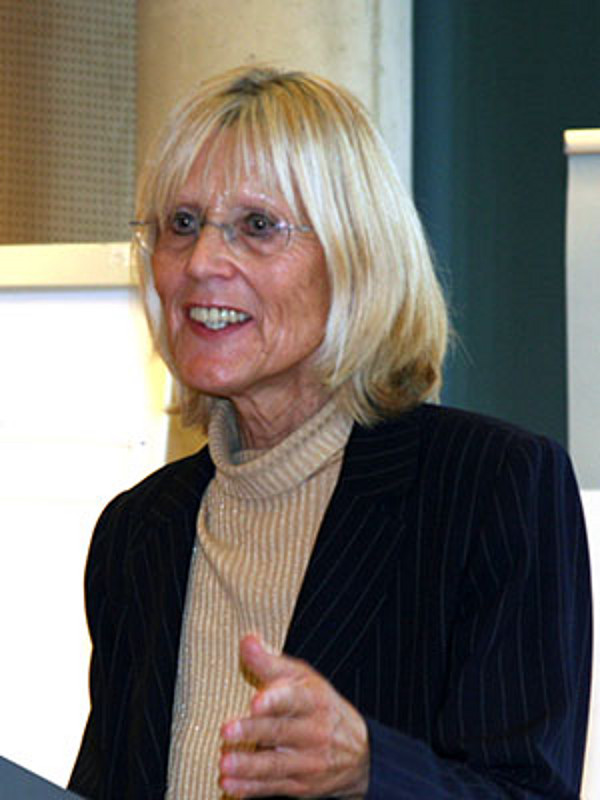
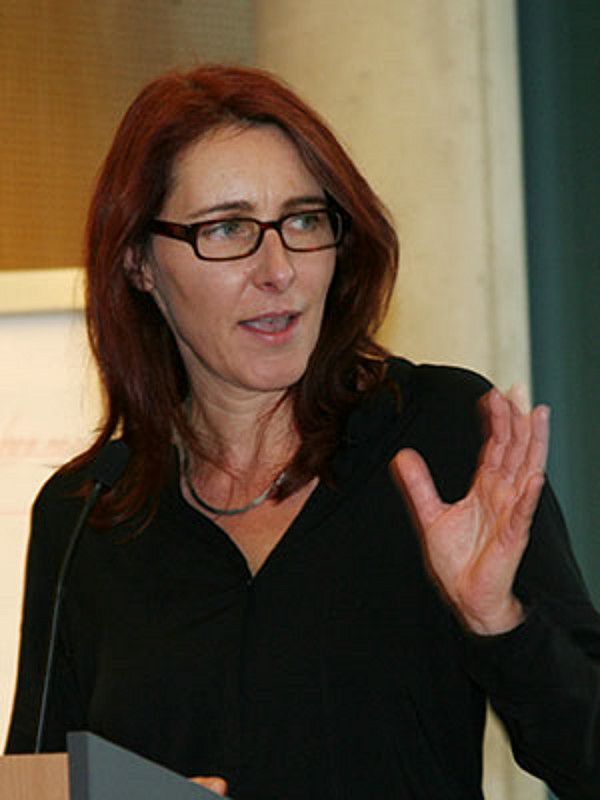
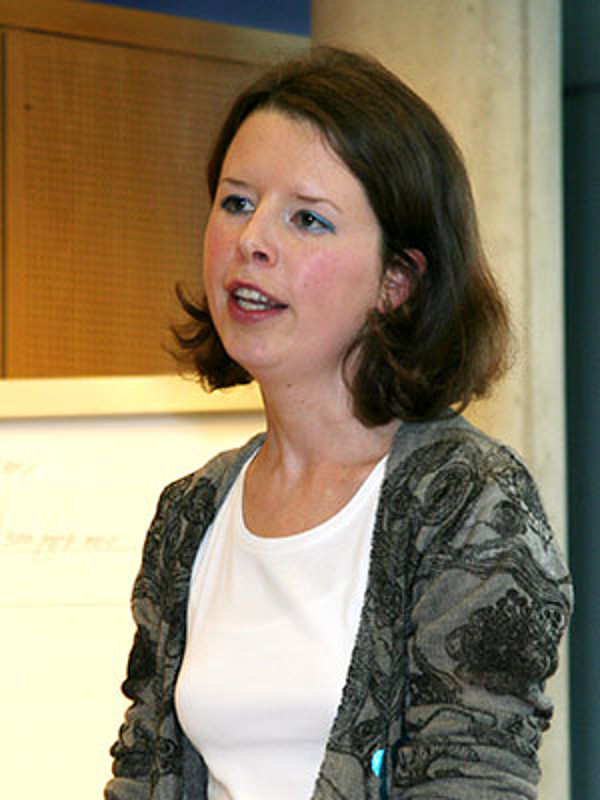
Die Herausgeberinnen Karin M. Schmidlechner

Die Herausgeberinnen Karin M. Schmidlechner

Annette Sprung (auf Pfeil klicken)

Annette Sprung (auf Pfeil klicken)

und Ute Sonnleitner

und Ute Sonnleitner

Wissenschafterinnen der Uni Graz präsentierten Buch über die Situation in der Steiermark

Das Themenfeld Migration und Arbeit sorgt in Österreich immer wieder für zum Teil emotionale Diskussionen und polarisiert – in der Politik und in der Bevölkerung. ExpertInnen aus verschiedensten Bereichen der Wissenschaft, der Verwaltung sowie von Bildungs- und Beratungseinrichtungen präsentieren in einem kürzlich erschienenen Buch erstmals Analysen und Debatten aus unterschiedlichen Perspektiven, mit dem Fokus auf die Situation in der Steiermark. Ziel ist, eine fundierte Diskussionsgrundlage zu bieten statt Vorurteilen und Stammtischparolen das Feld zu überlassen. Herausgegeben wurde der Band von drei Wissenschafterinnen der Karl-Franzens-Universität Graz, in Kooperation mit der Arbeiterkammer Steiermark.


Der Anteil der EinwohnerInnen mit Migrationshintergrund beträgt in der Steiermark 10,3 Prozent. „Die Migrationsgesellschaft ist zur Normalität geworden, auch wenn das von manchen verleugnet wird“, stellt Ao.Univ.-Prof. Dr. Karin Maria Schmidlechner klar. Die Historikerin ist gemeinsam mit ihrer Fachkollegin Dr. Ute Sonnleitner und der Erziehungswissenschafterin Ao.Univ.-Prof. Dr. Annette Sprung Herausgeberin des Buchs „Migration und Arbeit in der Steiermark“. Dieses Thema hat im Zusammenhang mit gesellschaftlicher Integration weitreichende Bedeutung: „Zugang zu Arbeit ist eine zentrale Voraussetzung für soziale Anerkennung“, betont Schmidlechner. Gleichzeitig fülle das Buch eine Lücke, denn es gebe bislang kaum Forschungen, die sich auf den Migrationsraum Steiermark beziehen.


Was das Buch auszeichnet, ist, dass neben WissenschafterInnen verschiedener Disziplinen auch AkteurInnen aus der gesellschaftlichen Praxis ihre Erfahrungen einbringen. So hat zum Beispiel Ute Sonnleitner zwei Mitarbeiterinnen des Vereins ISOP zu ihren Eindrücken aus der Jugendarbeit interviewt. Ihr Fazit: „Kinder mit Migrationshintergrund erfahren keine Gleichbehandlung. Sie werden in der Schule häufig unterschätzt und erhalten nicht die Förderung, die es ihnen ermöglichen würde, höhere Schulen zu besuchen.“ Ähnliches gelte für den Einstieg ins Arbeitsleben: „Vielfach haben die Jugendlichen gar keine Vorstellung, welche Berufsmöglichkeiten es gibt“, sagt Sonnleitner. Wichtig wäre unter anderem eine bessere Berufsinformation in den Schulen.

In den insgesamt 15 Beiträgen der Publikation werden historische Aspekte, Rechtsgrundlagen sowie Bildung und Partizipation in Migrationsgesellschaften behandelt. Die bisherigen Entwicklungen finden ebenso Beachtung wie Analysen der aktuellen Gegebenheiten und Handlungsempfehlungen für die Zukunft.


Karin M. Schmidlechner, Annette Sprung, Ute Sonnleitner (Hg.), Migration und Arbeit in der Steiermark, Wissenschaftliche Schriftenreihe der Kammer für Arbeiter und Angestellte für Steiermark Band1, Leykam 2013

created by Gudrun Pichler

Related news

The future of Styria as a knowledge region is at risk

It is reported that 500 million euros are to be cut from Styrian universities. University vice-chancellors fear that this will sacrifice the development and competitiveness of the region as a centre for science, culture and business in favour of short-term cost-cutting targets.

A good winter for honeybees: mortality rate in Austria below ten per cent

20 May is World Bee Day. Local beekeepers can celebrate it with confidence this year, as their colonies have come through the winter relatively well.

Whistles against division: Rivka Saltiel experienced both unrest and solidarity in the US

Rivka Saltiel, a geographer from the University of Graz, has been working as a visiting professor in Minneapolis for the past five months and has witnessed first-hand the state of emergency and the deadly raids carried out by the immigration agency ICE. She reports on the collective solidarity of the population, the resistance to the President’s attempts to divide the community, and the power of informal social networks that ensure day-to-day provision and safety. These practices of solidarity are also relevant for Europe.

Record of reported species: Styria wins the global City Nature Challenge

Observers in Styria recorded 5,158 different animals, plants and fungi as part of the international City Nature Challenge between 24 and 27 April 2026. This saw the region take first place in the "species" category. Ostrava in the Czech Republic made the most observations, with just under 140,000, whilst the San Francisco Bay Area had the highest number of participants, namely 3,019.

Begin of page section:
Additional information:

University of Graz
Universitaetsplatz 3
8010 Graz
Austria
  • Contact
  • Web Editors
  • Moodle
  • UNIGRAZonline
  • Imprint
  • Data Protection Declaration
  • Accessibility Declaration
Weatherstation
Uni Graz

End of this page section. Go to overview of page sections

End of this page section. Go to overview of page sections

Begin of page section:

End of this page section. Go to overview of page sections