



Begin of page section:
Page sections:

  • Go to contents (Accesskey 1)
  • Go to position marker (Accesskey 2)
  • Go to main navigation (Accesskey 3)
  • Go to sub navigation (Accesskey 4)
  • Go to additional information (Accesskey 5)
  • Go to page settings (user/language) (Accesskey 8)
  • Go to search (Accesskey 9)

End of this page section. Go to overview of page sections

Begin of page section:
Page settings:

English en
Deutsch de
Search
Login

End of this page section. Go to overview of page sections

Begin of page section:
Search:

Search for details about Uni Graz
Close

End of this page section. Go to overview of page sections


Search

Begin of page section:
Main navigation:

Page navigation:

  • University

    University
    • About the University
    • Organisation
    • Faculties
    • Library
    • Working at University of Graz
    • Campus
    Developing solutions for the world of tomorrow - that is our mission. Our students and our researchers take on the great challenges of society and carry the knowledge out.
  • Research Profile

    Research Profile
    • Our Expertise
    • Research Questions
    • Research Portal
    • Promoting Research
    • Research Transfer
    • Ethics in Research
    • Commission for Scientific Integrity
    Scientific excellence and the courage to break new ground. Research at the University of Graz creates the foundations for making the future worth living.
  • Studies

    Studies
    • Prospective Students
    • Students
    • Welcome Weeks for First Year Students
  • Community

    Community
    • International
    • Location
    • Research and Business
    • Alumni
    The University of Graz is a hub for international research and brings together scientists and business experts. Moreover, it fosters the exchange and cooperation in study and teaching.
Topics
  • Sustainable University
  • Researchers answer
  • Work for us
Close menu

End of this page section. Go to overview of page sections

Begin of page section:
You are here:

University of Graz News Buntes aus der Botanik

End of this page section. Go to overview of page sections

Friday, 14 October 2016

Buntes aus der Botanik

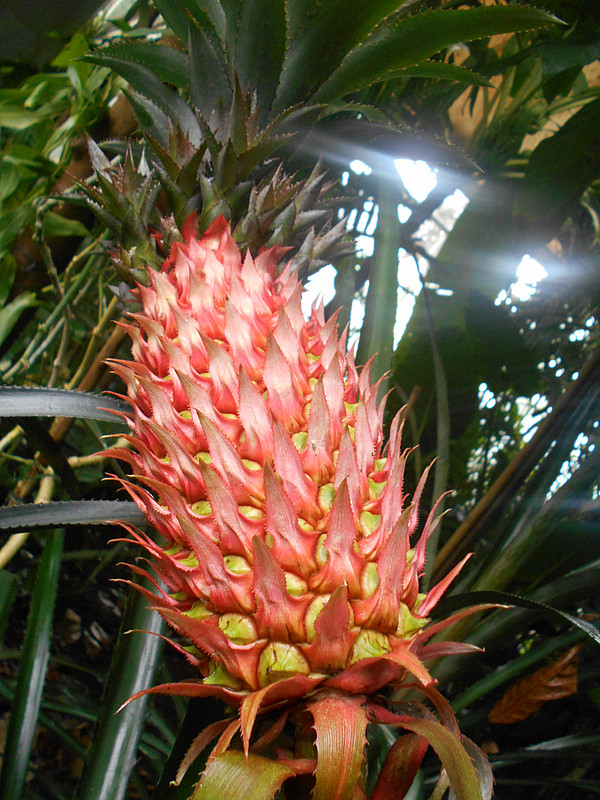
Ananas comosus. Fotos: Botanischer Garten Uni Graz

Ananas comosus

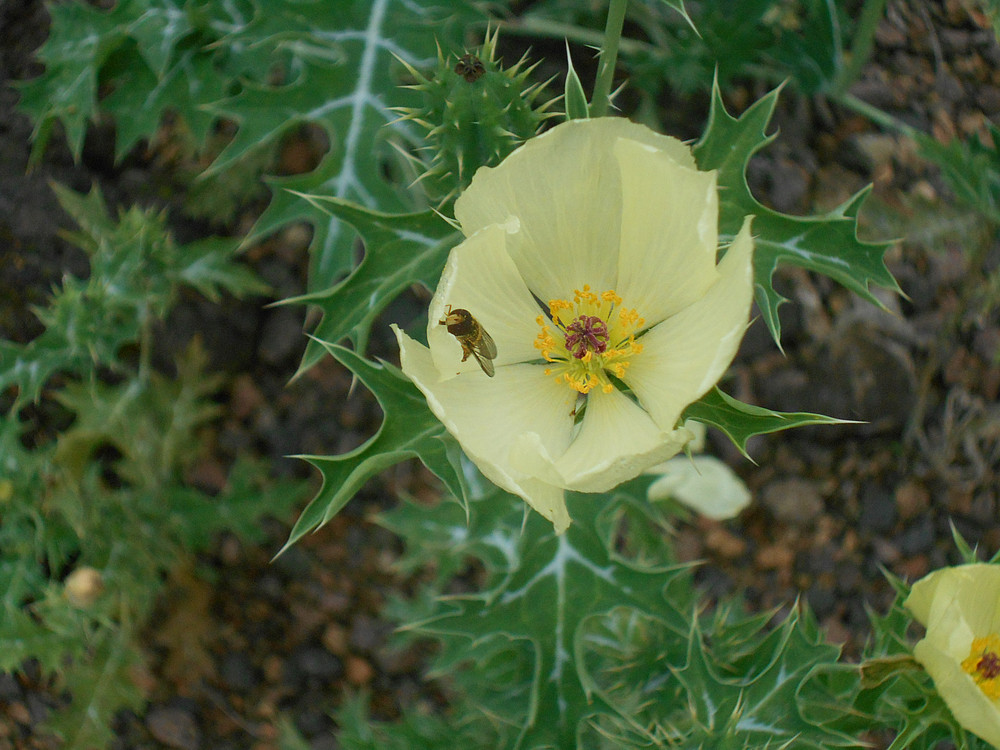
Argemone mexicana

Argemone mexicana

Aristolochia gigantea

Aristolochia gigantea

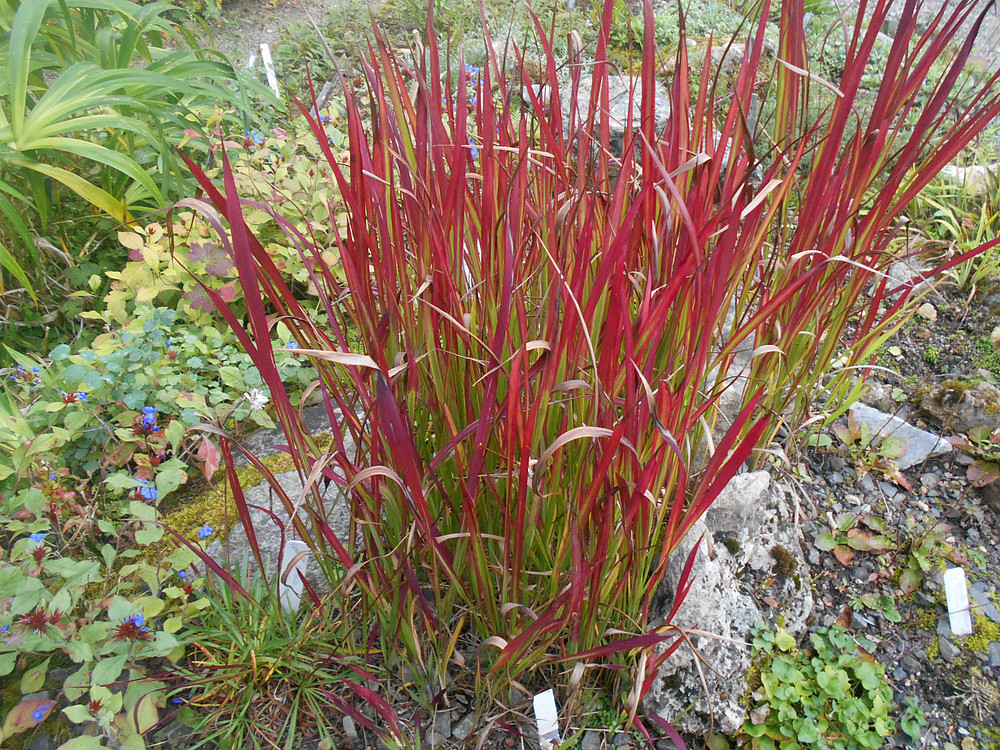
Blutgras

Blutgras

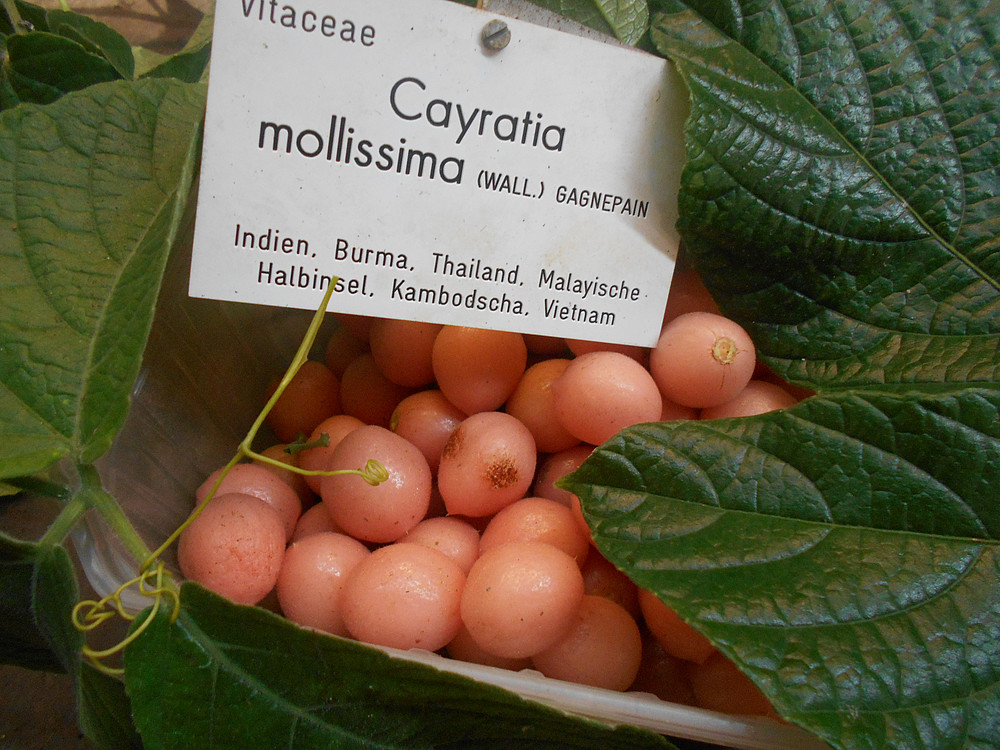
Cayratia mollissima

Cayratia mollissima

Myrtenblättrige Orange

Myrtenblättrige Orange

Baumwolle

Baumwolle

Hibiscus

Hibiscus

Maclura pomifera

Maclura pomifera

Banane

Banane

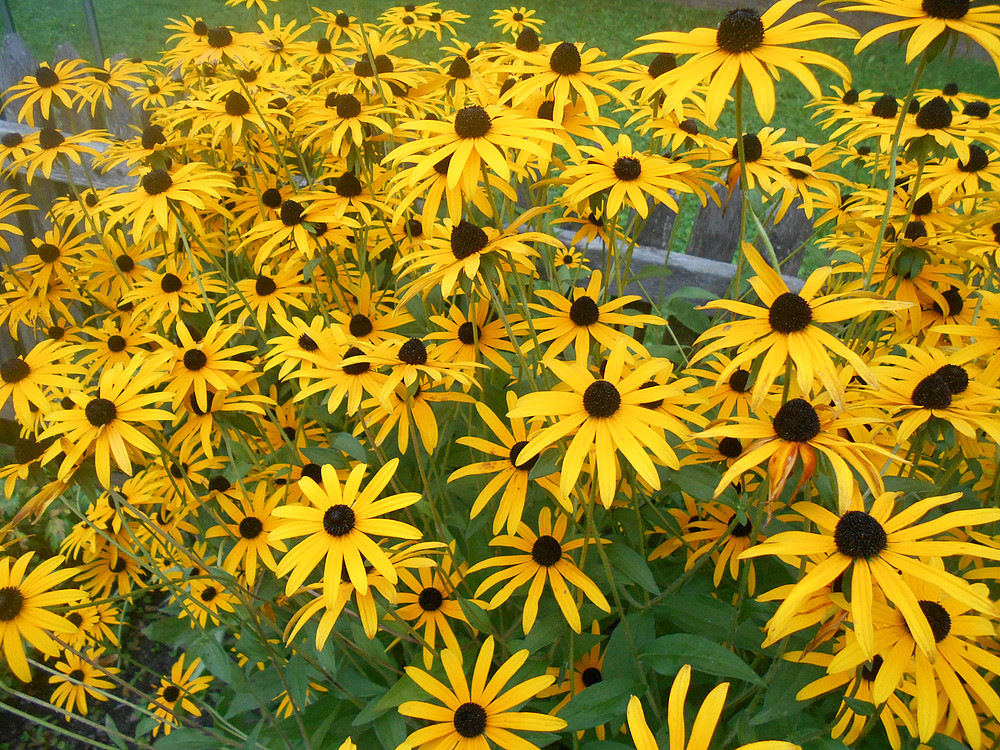
Schwarzäugige Rudbeckie

Schwarzäugige Rudbeckie

Herbstzeit: Im Botanischen Garten stehen derzeit viele Pflanzen in Blüte

Die Blätter verfärben sich zwar zu dieser Jahreszeit und die Natur zieht sich Schritt für Schritt zurück. Viele Pflanzen, vor allem jene, die in tropischen Klimazonen zuhause sind, haben jetzt ihre Blütezeit und tragen sogar Früchte. Im Botanischen Garten sind viele dieser "Exoten" versammelt - ein Besuch lohn sich allemal. Für einen kleinen Vorgeschmack, was sich sol alles tut, sorgt sich Gärtnerin Ulrike Straussberger.


Ananas: Unter den tropischen Nutzpflanzen reift derzeit die überall in den Tropen angebaute Ananas (Ananas comosus). Sie ist ein Bromeliengewächs, bei dem der gesamte Blütenstand zur Fruchtreife zu einem einzigen Fruchtverband verwächst. Zu finden im Tropenhaus.
 
Argemone mexicana: Der Mexikanische Stachelmohn ist eine einjährige Pflanze und gehört zur Familie der Mohngewächse (Papaveraceae). Am Blattrand befinden sich Stacheln, daher stammt auch der Name Stachelmohn. Die Pflanze wird selten als Zierpflanze in Sonnenblumenbeeten gesetzt, wird sonst aber als Ölpflanze genutzt. Zu finden im Alpinum.
 
Aristolochia gigantea (Aristolochiaceae): Die Große Osterluzei ist eine auffällige Erscheinung im Temperierthaus. Sie lockt mit einem aasartigen Geruch und dem Aussehen nach Fleisch Fliegen an, die über einen als Reuse ausgebildeten schmalen Kronröhrenabschnitt ins innere der Blüte gelockt werden. Dort erweitert sich die Blütenhülle zum Kessel, in dem sich die Staublatt- und Narbensäule befindet. Die Blütenknospe zeigt diesen Aufbau sehr schön.
 
Blutgras: Bereits ab dem Sommer macht die auffallend, leuchtend rote Blattfärbung dieses Ziergras einzigartig und bringt eine interessante Abwechslung in den Garten die bis weit in den Winter hinein anhält. Beheimatet ist das Gras in Japan, wird aber auch schon häufig in Baumschulen und Gärtnereien verkauft. Zu finden im Alpinum.
 
Cayratia mollissima: Eine früchtetragende Liane aus dem Tropenhaus, beheimatet in Indien, Burma, Thailand... Traubentragender Ranker aus der Familie der Weingewächse. Früchte sind im Rohzustand nicht essbar.
 
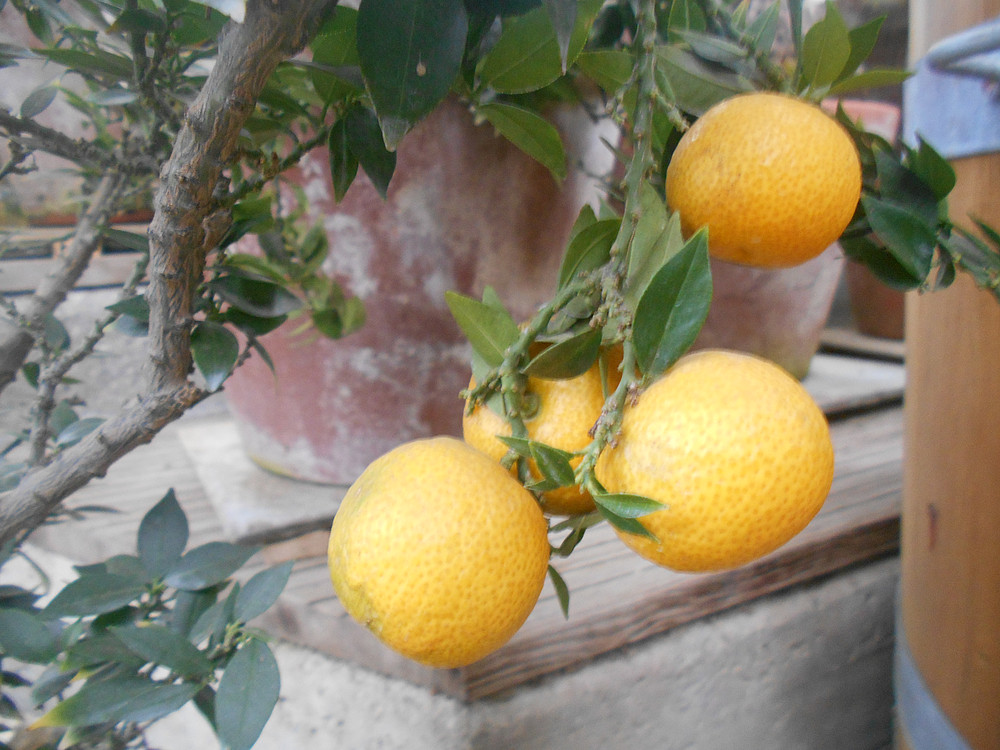
Die Myrtenblättrige Orange fruchtet derzeit im Kalthaus. Citrus myrtifolia sind kleine, langsam wachsende Sträucher. Der Saft der Frucht wird in Italien vielen Digestifs zugesetzt und ist außerdem in Campari enthalten.
 
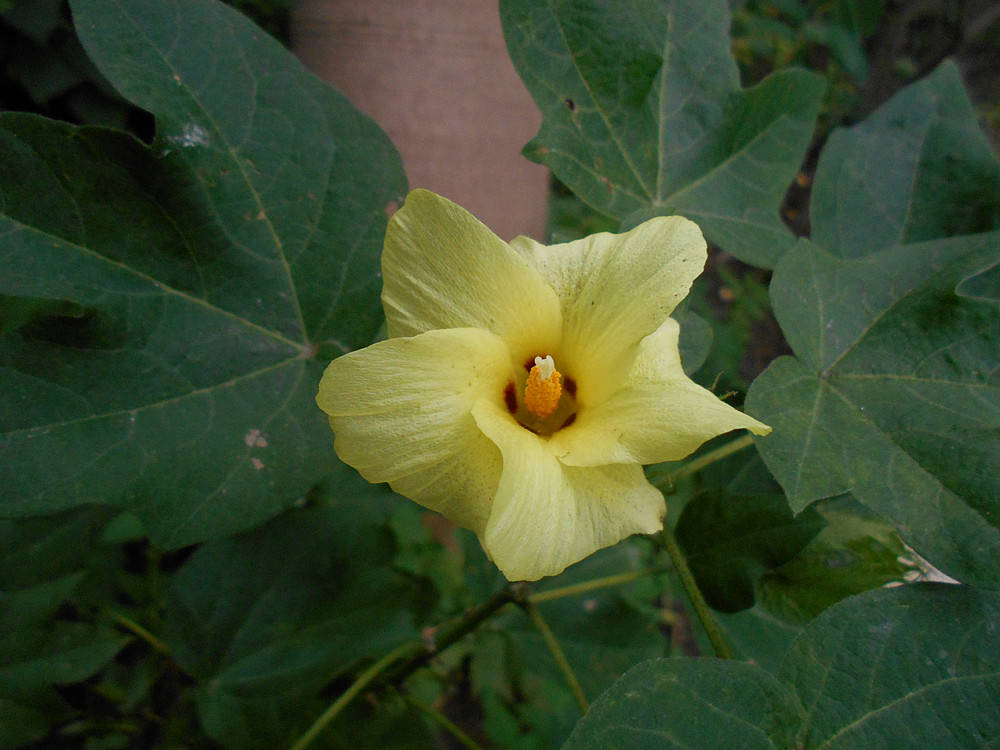
Die Baumwolle stammt aus dem tropischen Amerika und wird inzwischen weit verbreitet zur Gewinnung von Baumwollfasern angebaut. Sie wächst als ausdauernder Strauch oder Halbstrauch und kann eine Höhe von 2 bis 3 Meter erreichen. Die ovalen Samen sind glatt und schwarz, bis 0,8 Zentimeter groß. Sie sind von langen weißen Fasern sowie kurzen, nicht fest haftenden Fasern umgeben. Erste Funde von Fasern, die Gossypium barbadense zugeordnet werden, stammen von Fischernetzen an der Küste Perus und datieren auf 1500 bis 2400 Jahre vor Christus. Zu finden im Temperierthaus.
 
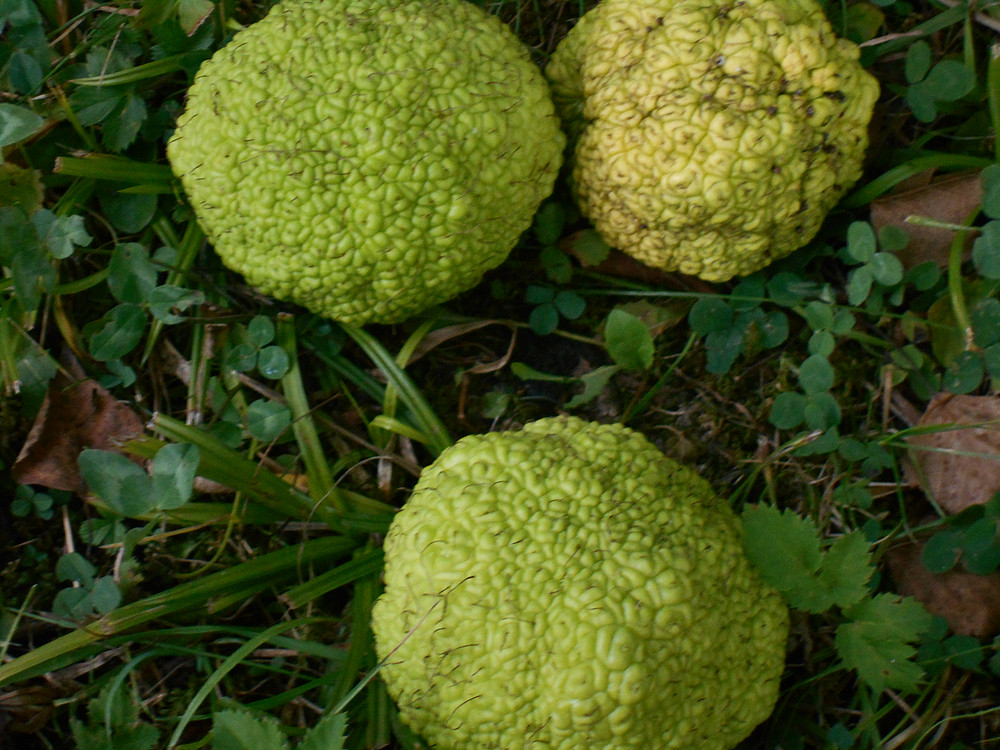
Maclura pomifera, die Indianerorange fruchtet derzeit an zwei Orten im Freiland. Die Früchte liegen in den Wiesen im Arboretum. Die Früchte sind zwar dekorativ, aber nicht genießbar.
 
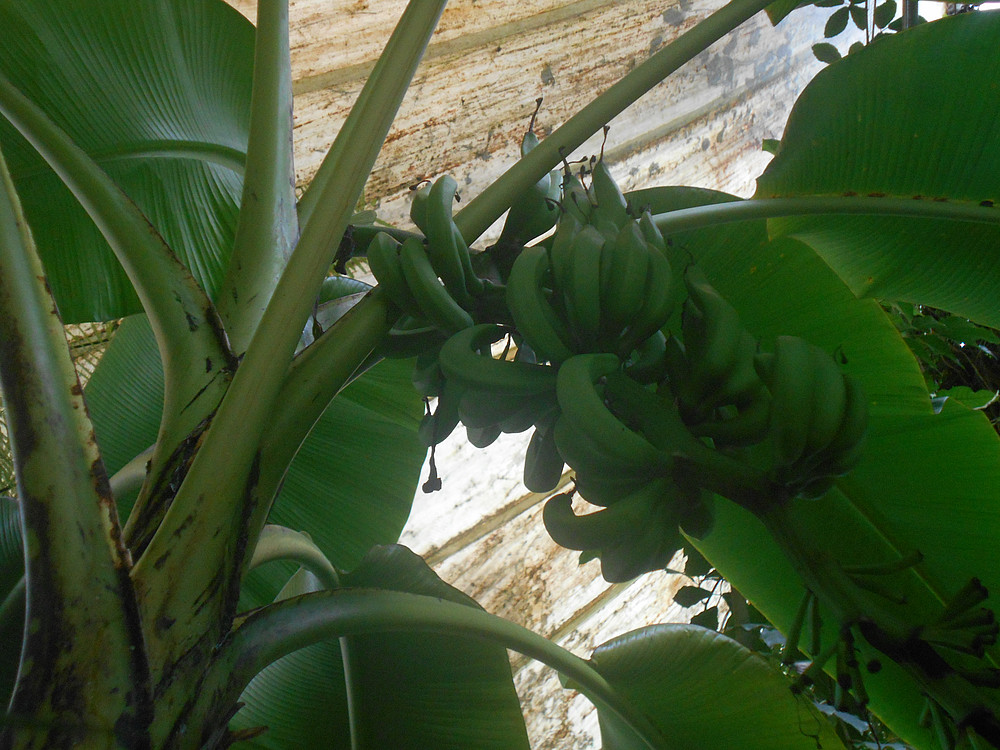
Banane: Nach einer Zeit guter Pflege gibt es heuer im Tropenhaus auch wieder eine Bananenernte (Musa x paradisiaca, Musaceae). Der terminale Blütenstand (oben) wächst bogig nach unten, die außen violetten Tragblätter geben in ihrer Achsel eine Gruppe weiblicher Blüten frei (mittig). Unten rechts dann bereits junge Früchte mit abgewelkter Blütenhülle und noch verbliebenem Griffel, die schön den unterständigen Fruchtknoten zeigen. Die Banane stammt ursprünglich aus Südostasien und gehört heute mit vielen Sorten und Kulturhybriden zu den am meisten kultivierten Obstpflanzen der Erde. Trotz ihrer Größe ist die Banane kein Holzgewächs, sondern ein ausdauerndes Kraut. Zu finden im Tropenhaus.

created by Ulrike Straussberger & Konstantinos Tzivanopoulos

Related news

Jurassic Sounds: Biologist reconstructs insect songs from 165 million years ago

It was apparently not just the roars of the dinosaurs that made up the soundscape of the animal world during the Jurassic period. Crickets and grasshoppers communicated through a variety of songs and high-pitched sounds, as Thorin Jonsson from the Institute of Biology at the University of Graz discovered together with colleagues from the universities of Lincoln, Bristol (UK), Beijing (China) and Tempe (USA). The findings on what are so far the oldest traces of sound on Earth have just been published in the journal PNAS.

EU funding boosts international exchange between universities

The University of Graz is further expanding its international study opportunities through the European university alliance Arqus and is taking the lead in two key projects. In future, students will benefit from even more joint degree programmes and from simplified recognition of academic achievements through the Joint European Degree Label.

Rescue and risks: Researchers have surveyed public perceptions of AI

The use of artificial intelligence has had to be made transparent since 2 August 2026. The EU’s AI Act, which has been in force since then, also sets out how risky an application is and which security measures apply as a result. However, the assessment of risks by the legislation differs in some cases significantly from the perceptions of the Austrian public. This is the finding of a representative study carried out by data scientist Stefan Thalmann from the University of Graz and his team.

The Healing Sea: Researchers discover new approaches to treating chronic inflammation in sponges

Chronic inflammation plays a key role in many diseases, ranging from metabolic disorders and cardiovascular diseases to tissue damage following injuries or infections. “Normally, the body is able to resolve inflammation on its own. If this process becomes unbalanced, immune cells remain permanently active and continue to drive negative changes in the tissue,” explains Andreas Koeberle, a pharmacist at the University of Graz.

Begin of page section:
Additional information:

University of Graz
Universitaetsplatz 3
8010 Graz
Austria
  • Contact
  • Web Editors
  • Moodle
  • UNIGRAZonline
  • Imprint
  • Data Protection Declaration
  • Accessibility Declaration
Weatherstation
Uni Graz

End of this page section. Go to overview of page sections

End of this page section. Go to overview of page sections

Begin of page section:

End of this page section. Go to overview of page sections