The mise-en-scène of gender and ethnic difference in Yugoslav cinema since 1968
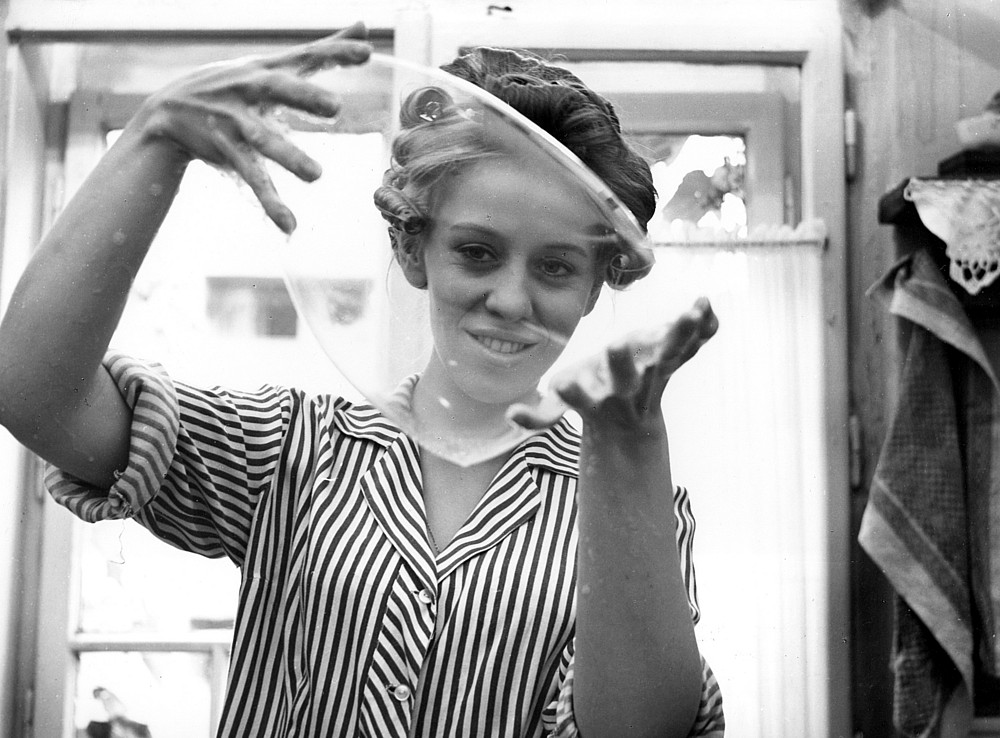
The lecture analyses films by Yugoslav novi film authors such as Karpo A. Godina, Želimir Žilnik Bahrudin Čengić and Dušan Makavejev. These films are discussed as confronting and challenging the official visual regime produced by the one-party state of socialist Yugoslavia. By showing that what officially was excluded, marginalised or seen as a taboo, and by employing an unconventional aesthetic style and allusions to “foreign” references, these authors entered into a dispute with official party politics – although the conditions for this dispute were mostly defined by the latter.
The paper investigates how the mise-en-scène of aesthetic, sexual and ethnic differences that can be witnessed in these films contributed to the emergence of an (informal) public sphere in the former Yugoslavia. It shows that these films participated in the creation of a new trans-national reference frame that replaced the East-West frame of the Cold War with a new one in which rather a North-South, First World–Third World opposition prevailed and differences appeared in multiplied form, often mutually challenging and fervidly contesting each other.