Restoration of alkali and loess grasslands – case studies from Hungary
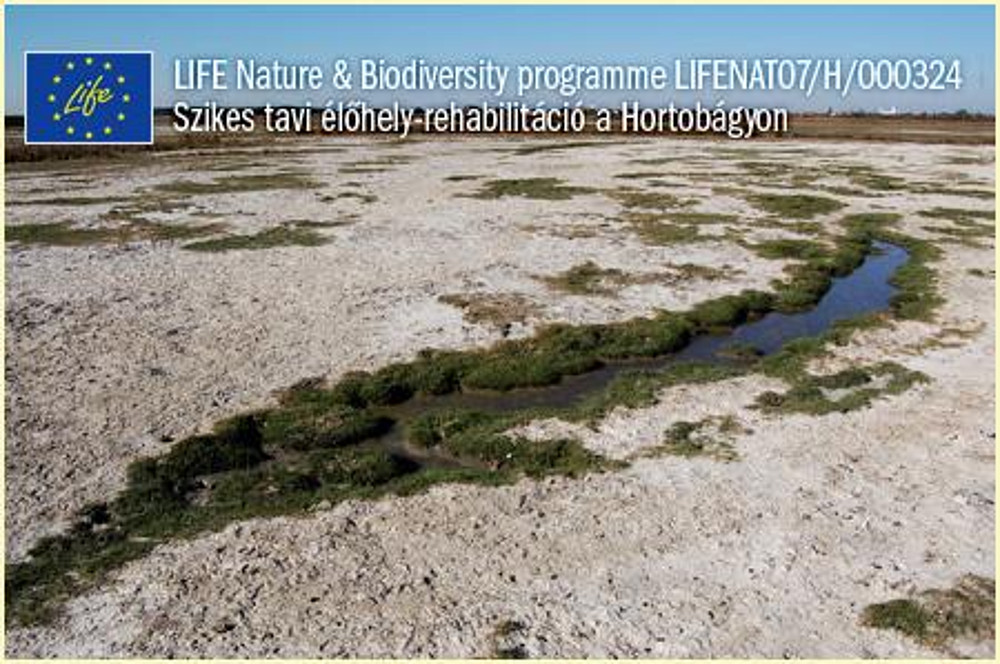
Balázs DEÁK (Debrecen): In Central Europe, semi-natural grasslands are rapidly declining since the middle of the last century due to intensification of land use, conversion to arable lands or even by the cessation of traditional management especially typical for the mountain regions. In the Pannonian Biogeographical region the alkali and loess grasslands are one of those habitat types which are often in the focus of the nature conservation and restoration measures. Both grassland types are listed in the Annex of the Habitats Directive as “Pannonic salt steppes and salt marshes” (1530) and “Pannonic loess steppic grasslands” (6250). In most cases the aim of the restoration projects are to recover the coherent structure of the protected and Natura 2000 areas by establishing green corridors or stepping stones between grassland fragments. Besides these effects restored grasslands have a crucial role in creating buffer zones around areas which are especially sensitive for anthropogenic impacts, such as alkali meadows and marshes. There are several restoration techniques in the nature conservation inventory to fulfil these aims. We applied most of these grassland restoration techniques in a landscape-scale restoration project (760ha restored grasslands) in the Hortobágy National Park. In the presentation the circumstances of their practical application, restoration success and cost-effectiveness are presented based on case studies.