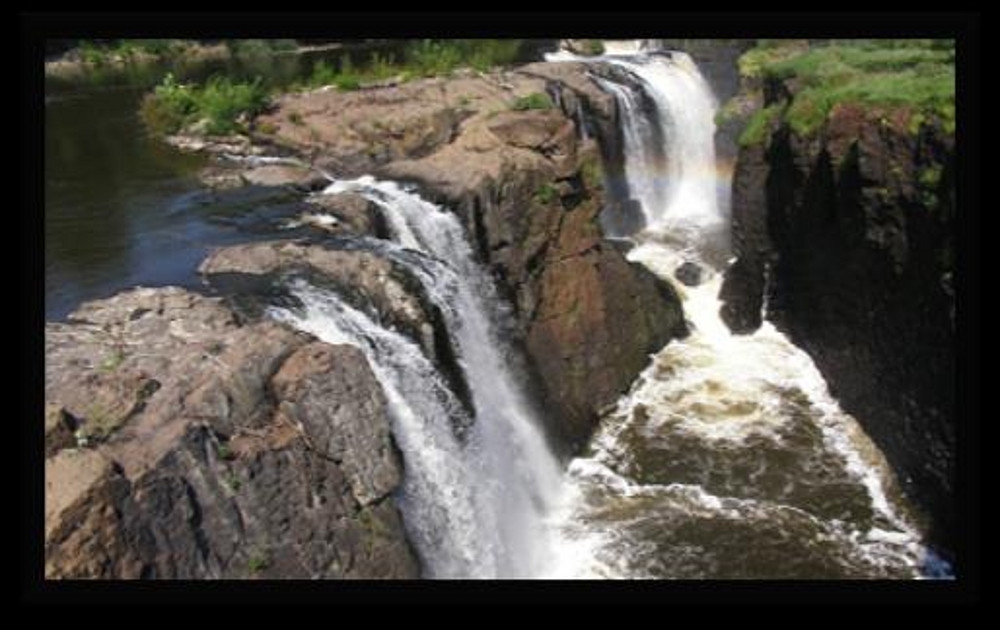
Meiyin WU (Montclair, USA): Passaic River runs through 80 miles of urban and suburban landscape with a drainage basin of 935 square miles across over 120 municipalities in 7 New Jersey and 2 New York counties. Approximately 2.5 million people inhibit the river basin, most of which is in the highly urbanized area. Since the 1800’s, urbanization and industrialization have negatively impacted the river, its quality, and its ecosystem structure and function. The 17 river miles of Lower Passaic River is considered one of the most highly polluted waterways in the United States due to raw sewage, chemical discharge along with byproducts, surface runoff, and industrial outfall. Water and sediments of the Lower Passaic contain a myriad of chemical contaminants including polychlorinated biphenyls (PCBs), polycyclic aromatic hydrocarbons (PAHs), dioxins, mercury, etc. This presentation will discuss environmental history and management of the Passaic River to illustrate challenges of managing urban rivers.
Begin of page section:
Page settings:
End of this page section. Go to overview of page sections
Begin of page section:
Search:
Close
End of this page section. Go to overview of page sections
Search
Begin of page section:
Main navigation:
Page navigation:
- University
University
Developing solutions for the world of tomorrow - that is our mission. Our students and our researchers take on the great challenges of society and carry the knowledge out. - Research Profile
Research Profile
Scientific excellence and the courage to break new ground. Research at the University of Graz creates the foundations for making the future worth living. - Studies
Studies
- Community
Community
The University of Graz is a hub for international research and brings together scientists and business experts. Moreover, it fosters the exchange and cooperation in study and teaching. - Spotlight
End of this page section. Go to overview of page sections
Begin of page section:
You are here:
End of this page section. Go to overview of page sections
10.03.2015
17:00 - 18:30
Institut für Pflanzenwissenschaften
[0031OG0002] HS 31.11, Schubertstraße 51, Obergeschoß
Begin of page section:
Additional information:
End of this page section. Go to overview of page sections