INTER- AND TRANSCULTURALITY IN SLAVIC CULTURES (Ring-Vorlesung)
BALKAN VAMPIRISM IN WESTERN CULTURE
In the past the belief in vampires was widespread in European folk culture. First written mentions about vampirism in Europe are found in mediaeval chronicles. The local folk roots of vampirism die in the Western Europe along with cultural changes, while in the Eastern Europe, where the changes occur much more slowly, the belief in vampires still is alive. Therefore, in the 18th century, along with the Enlightenment modernization, in the West there is a growing belief that vampirism is a phenomenon typical for the backward, non-upgraded Eastern Europe. In a period of Enlightenment the intellectual interest for Eastern Europe vampirism grows – vampires become an object of theological and medical research. From the Western point of view, the Balkans belong to the regions where vampirism is the most widespread.
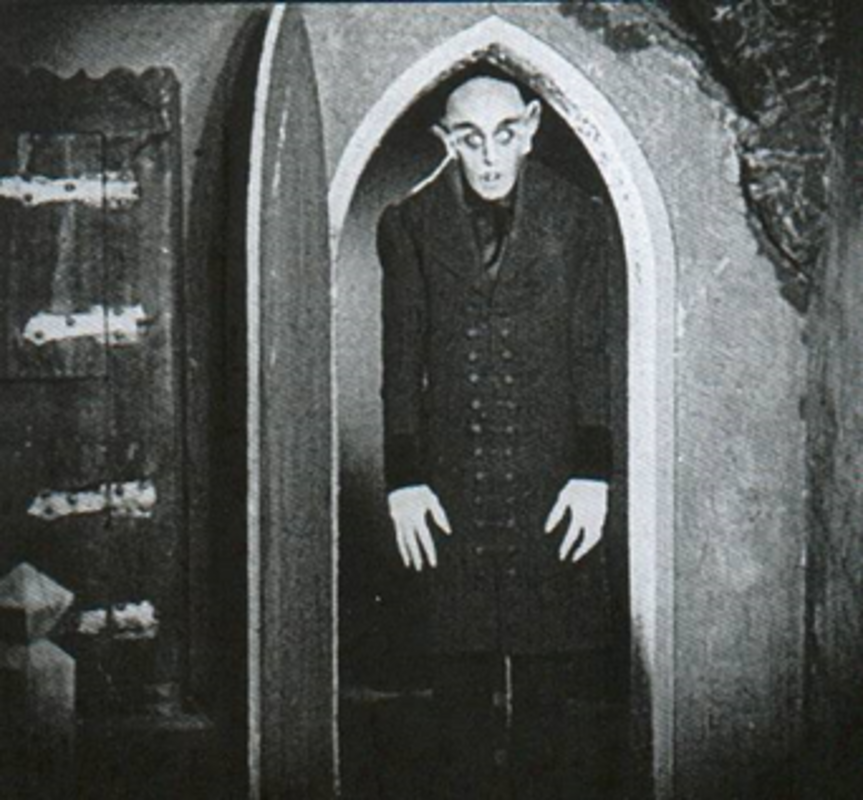
The myth of vampire becomes then a component of a broader cultural phenomenon – balkanism, which is a stereotypical perception of the Balkans by the Westerners. This region of Europe is regarded by them as the boundary between Europe and Asia. The conviction of the Balkan roots of vampirism is reinforced in the 19th century by the Western authors of Gothic fiction. They localize the sources of vampirism in Greece, Styria, Serbia, Dalmatia, Wallachia. Finally, the myth of Balkan vampirism is grounded by Bram Stoker's novel Dracula from 1897. Irish author enriches the vampire myth with the myth of Transylvania as a homeland of vampirism. He creates Transylvania in accordance with balkanistic stereotype as a beautiful but backward land. European culture is mixed there with the oriental culture. Count Dracula’s vampirism is a horrible effect of this cultural hybridization. In Stoker's novel Transylvania is a metonymy of the Balkans and Eastern Europe. The Gothic writers raise the subject of Balkan vampires also in 20th and 21st century, but then it gains popularity primarily though the horror movies.
The aim of the course Balkan vampirism in Western culture is to answer the basic questions related to the myth of vampirism in transcultural (Western-Balkan) context and to to define the direction of change of the Balkan vampire myth in Western culture. The first lecture will present the cultural-historical background of this myth and the reasons for its popularity in the West in 18th and 19th century. The second one will focus on the career of Balkan vampirism in the 20th and 21st century. Two workshops will be devoted to the analysis of selected examples of literary and film manifestations of the attitude of Western culture to Balkan vampirism.