Book "Purges" in the (Former) Yugoslav Space in the 1990s
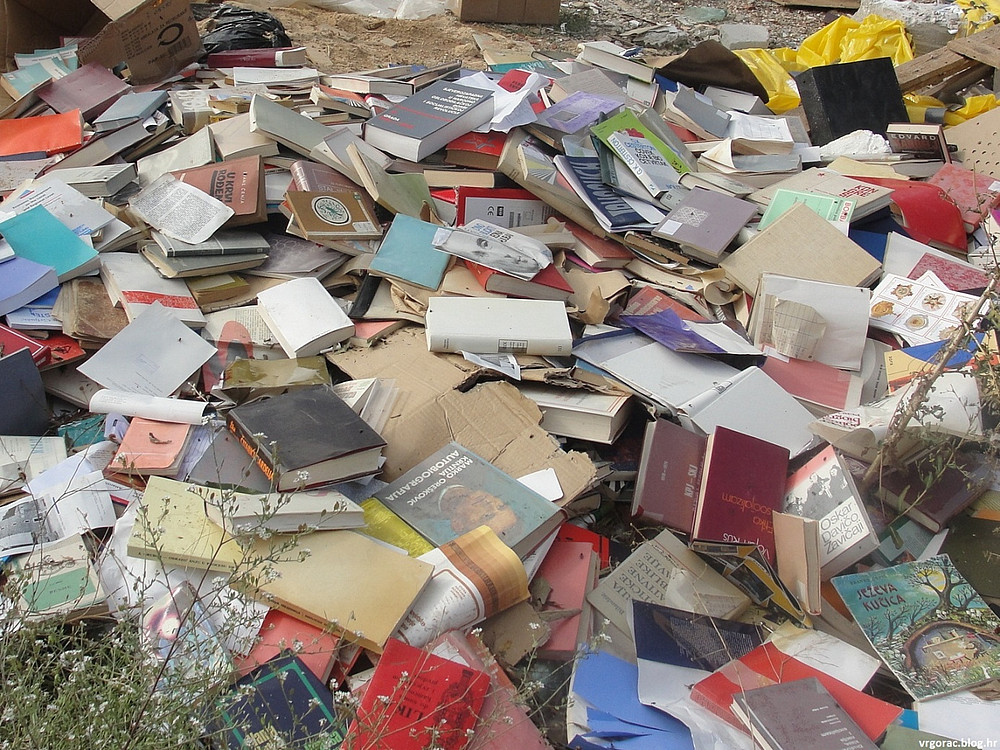
The (nationalist) élites that came to power after the dissolution of Yugoslavia, had to justify the emergence of the new nation states with historical narratives that would replace the Yugoslav one. As many times before, history was (mis)used as a playground for various number games and a battlefield for ethnocentrism. Controlling what should be remembered and what forgotten constituted one of the main determinants of political change, if not change itself. In an Orwellian fashion, street names were changed, history textbooks re-written, the reform of the language and new festivities introduced, as the old ones were abolished. Similarly, old museums and monuments were abandoned, damaged or destroyed and new ones erected. While the latter have attracted considerable scholarly attention, less is known about the so-called «inappropriate» books that have been removed from circulation. For instance, more than 2.8 million of undesirable publications dealing with the anti-fascist struggle, self-management or another «leftist» topic, or simply published in Serbia and/or in cyrillic have disappeared from Croatian libraries. Who were the authors that have been discarded from library inventories and how? Was it a systematic action orchestrated from above or a way of demonstrating one’s belonging and fidelity to the nation? What are the causes and consequences of such actions? A brief analysis of library practices, i.e. book acquisitions and «purges» in the former Yugoslav space in the 1990s tells volumes about the widely promoted cultural exclusiveness and anti-intellectualist approach to culture that is still resonating today.