Biodiversity of alkali landscapes – species, communities and underlying mechanisms
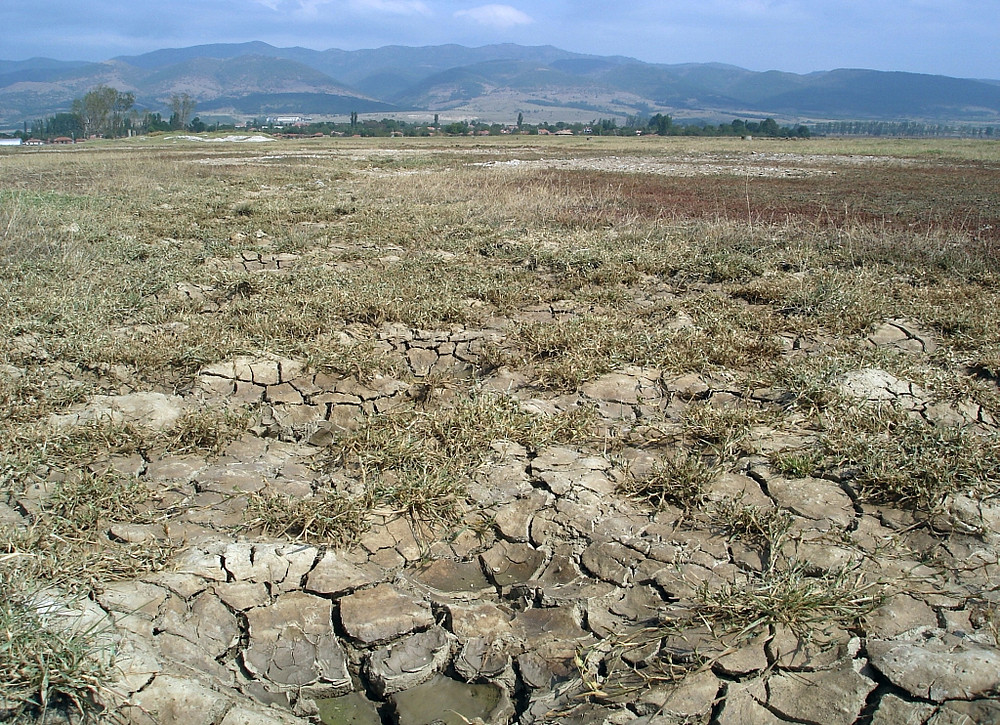
Orsolya VALKÓ (Debrecen): Alkali landscapes hold an extremely high habitat diversity with numerous associations which form a complex and heterogeneous mosaic structure. Loess grasslands are short grasslands on chernosemic soils, characterised by a high diversity of monocot and forb species (e.g. Festuca rupicola, Galium verum, Phlomis tuberosa and Trifolium spp.). Alkali steppes are dry grasslands formed on solonetz soils with moderate salt accumulation in the deeper soil layers. They are characterised by Festuca pseudovina together with a few forb species, such as Achillea collina, A. setacea, Artemisia santonica and Limonium gmellinii. Open alkali swards are the most strongly salt-affected associations; they are covered by water in springtime, and salt accumulates in the upper soil layer. They have a low vegetation cover (5-30%) consisted by halophyte species, such as Puccinellia limosa, Pholiurus pannonicus, Plantago tenuiflora and Camphorosma annua. Alkali meadows are wet grasslands characterised by tall grass species (Alopecurus pratensis, Agrostis stolonifera, Beckmannia eruciformis and Gylceria fluitans). Alkali marshes are characterised by a species-poor vegetation, with the dominance of a few bulrush species (Bolboschoenus maritimus, Schoenoplectus tabernaemontani and S. littoralis).